-
Larger, Healthier Plants
More Value for Your Garden -
Nationwide Free Delivery
Fresh Plants to Your Doorstep -
Easy Online Shopping
Your Dream Garden in a Few Clicks


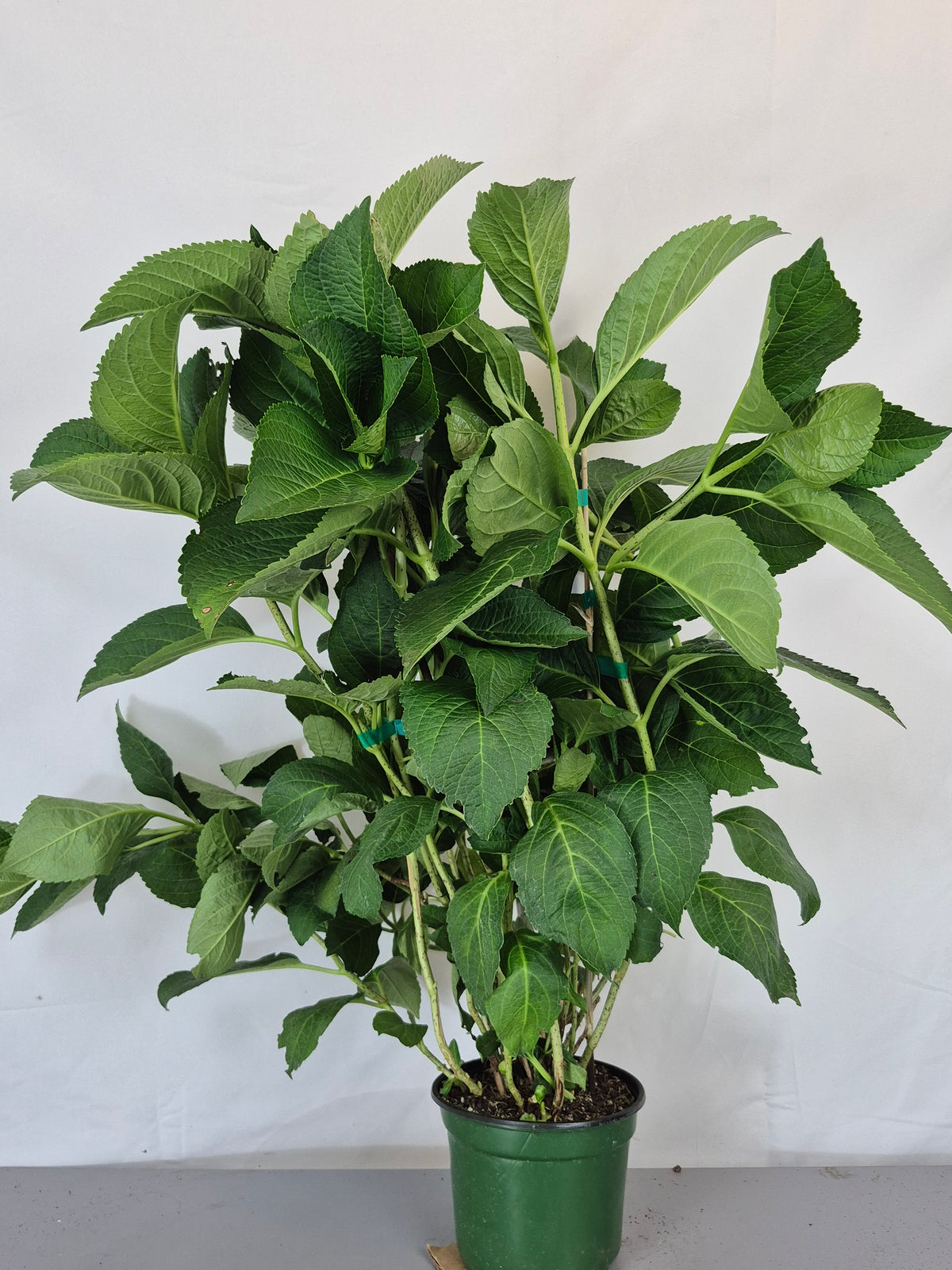
Spike Bigleaf Hydrangea Plant Live – Cold Hardy Compact Shrub – Unique Spiky Lacecap Flowers – Zone 5–9 Garden Plant
Spike Bigleaf Hydrangea Plant Live – Cold Hardy Compact Shrub – Unique Spiky Lacecap Flowers – Zone 5–9 Garden Plant
Couldn't load pickup availability
USDA Zones/Minimum Temperature
USDA Zones/Minimum Temperature
It grows in USDA Hardiness Zones 5-9 and is hardy to temperatures as low as -10°F (-23°C).
- Every Order Ships Free
- Use code SAVE10% on orders over $50
- Guaranteed to Arrive Alive.
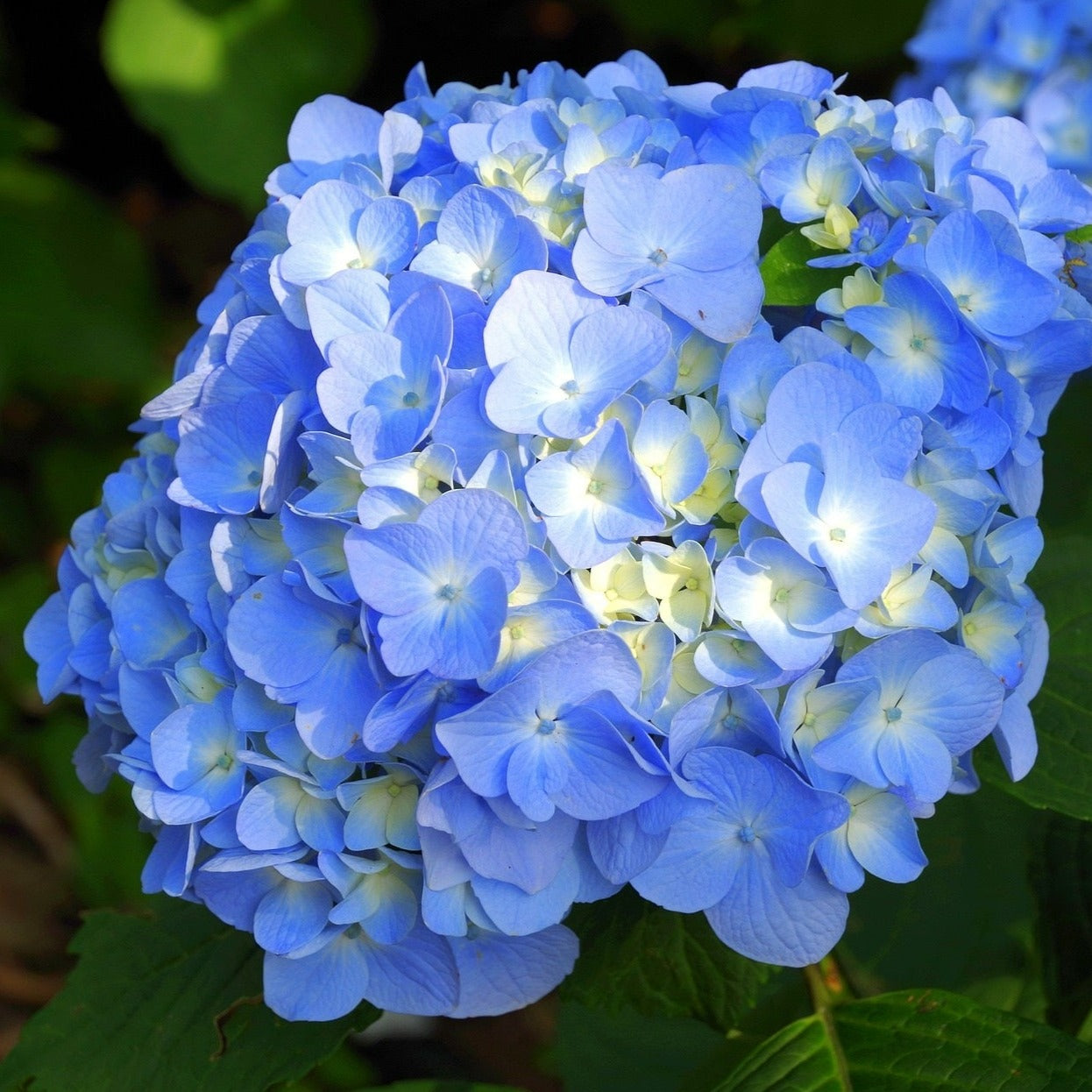
Spike is a truly one-of-a-kind bigleaf hydrangea that turns heads with its unusual, spiky lacecap-style flower heads — a dramatic departure from the typical round mophead look. The blooms feature a ring of pointed, star-shaped florets surrounding a central cluster, creating a textural, architectural effect that looks stunning in garden borders and cut flower arrangements alike. The compact, well-branched plant produces these distinctive blooms in soft blue to pink tones depending on soil pH, and its tidy form fits naturally into any landscape without overwhelming smaller spaces.
🌱 WHAT YOU RECEIVE
• One healthy, well-rooted Spike bigleaf hydrangea plant
• Grown in a nursery container
• Ready to plant upon arrival
❤️ WHY YOU'LL LOVE IT
• Unique spiky lacecap blooms — unlike any other hydrangea
• Dramatic architectural texture — stunning in borders and arrangements
• Blue or pink flowers depending on soil pH
• Compact, well-branched form — fits any garden size
• Long summer bloom season
• Cold hardy to -10°F, USDA Zones 5–9
🌿 GROWING INFO
• Zones: 5–9
• Sun: Part shade to full sun (morning sun, afternoon shade ideal)
• Soil: Moist, well-draining, rich in organic matter
• Mature Size: 3–4 ft tall x 3–4 ft wide
• Flower color: Blue in acidic soil, pink in alkaline soil
📦 SHIPPING
• Ships within 1–2 business days
• Carefully packaged for safe delivery
• Ready to plant upon arrival
Plant Highlight
Plant Highlight
Common name: Spike Bigleaf Hydrangea.
Height x Diameter: 3–4 ft x 3–4 ft.
Minimum temperature: Hardy to -10°F.
USDA zones: 5–9.
Light: Part shade to full sun; morning sun and afternoon shade ideal.
Uses: Border, container, cut flower garden, cottage garden, patio.
Deer Resistant: Moderately resistant.
Water: Regular; keep soil consistently moist.
Soil: Moist, well-draining, rich in organic matter.
Bloom season: Summer.
Flower color: Blue in acidic soil; pink in alkaline soil.
Flower type: Spiky lacecap — unique architectural blooms.
Pollination and Ripening
Pollination and Ripening
Hydrangeas don’t need to be pollinated to grow or to produce their beautiful flowers. If you want your hydrangea to produce viable seeds (for example, if you’re breeding or want to grow plants from seed), pollination is needed. Hydrangeas are typically pollinated by insects (bees, butterflies, flies). The large, showy “petals” on mophead and lacecap hydrangeas are usually sterile florets that attract pollinators but don’t make seeds.
Shipping Restrictions
Shipping Restrictions
Can not ship to HI.
Planting Guide
Planting Guide
Planting Guide for Hydrangeas
Site Selection: Choose a location with morning sun and afternoon shade for best results. Avoid harsh afternoon sun, which can scorch leaves and fade blooms. Bigleaf hydrangeas prefer protected spots in colder zones.
Time of Year to Plant: Plant in spring or early fall when temperatures are mild. Avoid planting in the heat of summer.
Spacing: Space plants 3 to 4 feet apart to allow for mature spread and good air circulation.
Planting: Dig a hole twice as wide and just as deep as the root ball. Amend with compost or peat moss for moisture retention. Backfill, firm gently, and water thoroughly.
Watering: Keep soil consistently moist, especially during the first season and in hot weather. Hydrangeas wilt quickly when dry but recover with water.
Mulching: Apply 2–3 inches of mulch around the base to retain moisture and regulate soil temperature.
Flower color tip: To encourage blue flowers, lower soil pH with sulfur or aluminum sulfate. For pink flowers, raise pH with garden lime.
Pruning: Prune lightly right after blooming ends. Bigleaf hydrangeas bloom on old wood — avoid heavy pruning in fall or spring, which removes next year’s flower buds.
Chill Hours
Chill Hours
Does not require chill hours.
Share