-
Larger, Healthier Plants
More Value for Your Garden -
Nationwide Free Delivery
Fresh Plants to Your Doorstep -
Easy Online Shopping
Your Dream Garden in a Few Clicks


Northcountry Compact Blueberry Shrub – Live Plant
Northcountry Compact Blueberry Shrub – Live Plant
Couldn't load pickup availability
USDA Zones/Minimum Temperature
USDA Zones/Minimum Temperature
It grows in USDA Hardiness Zones 3-6 and is hardy to temperatures as low as -40°F (-40°C).
- Every Order Ships Free
- Use code SAVE10% on orders over $50
- Guaranteed to Arrive Alive.
Northcountry is a half-high blueberry bred specifically for northern gardeners who want a tough, compact, and beautiful fruiting shrub that laughs at cold winters. A cross between a wild lowbush and a cultivated highbush variety, it delivers sweet, mild, sky-blue berries in mid-season on a tidy, spreading plant that fits naturally into any landscape. Its stunning blue-green summer foliage and brilliant orange-red fall color make it one of the most ornamentally attractive blueberries you can grow — productive and beautiful in equal measure.
🌱 WHAT YOU RECEIVE
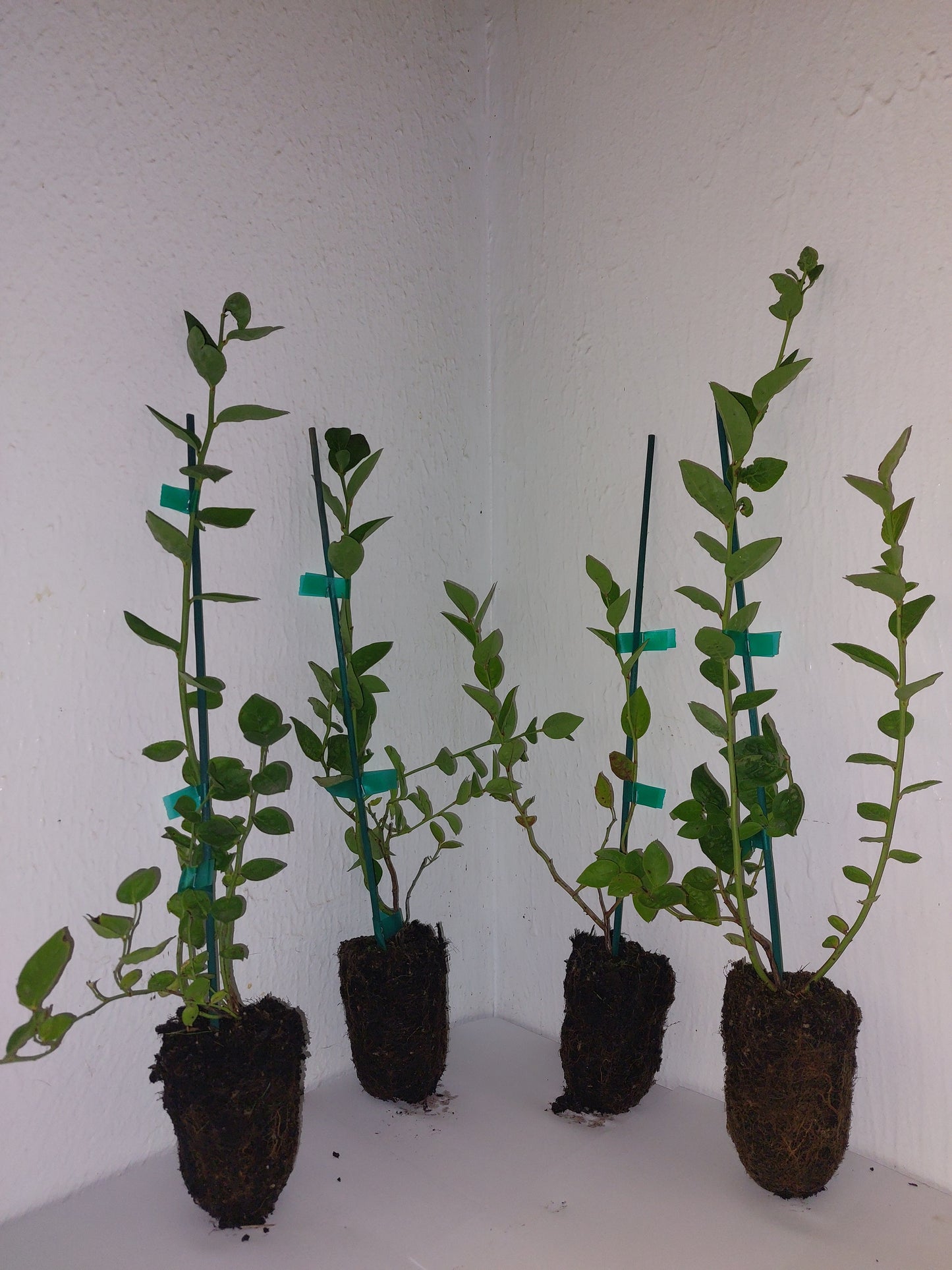
• One healthy, well-rooted Northcountry blueberry plant
• Grown in a 4x2-inch container
• Approx. 6–12 inches tall at shipping
❤️ WHY YOU'LL LOVE IT
• Sweet, mild sky-blue berries with a wild blueberry character
• Compact spreading form — ideal for borders, mass plantings, and containers
• Stunning blue-green foliage and brilliant orange-red fall color
• Extremely cold hardy to -40°F, USDA Zones 3–6
• Low maintenance and very beginner friendly
• Self-fruitful but yields more with a pollinator nearby
🌿 GROWING INFO
• Zones: 3–6
• Sun: Full sun
• Soil: Acidic, well-draining (pH 4.5–5.5)
• Mature Size: 2–3 ft tall x 3–4 ft wide
📦 SHIPPING
• Ships within 1–2 business days
• Carefully packaged for safe delivery
• Ready to plant upon arrival
Plant Highlight
Plant Highlight
Common name: Northcountry Blueberry.
Height x Diameter: 2–3 ft x 3–4 ft.
Minimum temperature: Hardy to -40°F.
USDA zones: 3–6.
Light: Full sun.
Uses: Border, mass planting, container, edible landscape, foundation planting.
Deer Resistant: Moderately resistant.
Water: Regular; keep soil consistently moist.
Soil pH: Acidic (4.5–5.5).
Fruit season: Mid-season (July).
Pollination: Self-fruitful; cross-pollination increases yield.
Pollination and Ripening
Pollination and Ripening
The Northcountry is partially self-pollinating, but planting multiple bushes can enhance fruit production. Bees and other pollinators also contribute to successful pollination. It normally begins to bear fruit in its second or third year after planting. The berries ripen in mid-summer, offering a delightful harvest during the warmer months.
Shipping Restrictions
Shipping Restrictions
Cannot ship to GA., HI., MI., OR., WA.
Planting Guide
Planting Guide
Planting Guide for Blueberries
Site Selection: Choose a location with full sun (at least 6–8 hours daily) and well-draining, acidic soil with a pH of 4.5–5.5. Blueberries do not tolerate waterlogged roots.
Time of Year to Plant: Plant in early spring or fall when temperatures are cooler. In mild climates, blueberries can be planted year-round.
Spacing: Space half-high blueberry plants 3 to 4 feet apart. Plant multiple varieties nearby for best cross-pollination and fruit production.
Planting: Dig a hole twice as wide and just as deep as the root ball. Mix in peat moss or acidic compost to lower pH if needed. Backfill, firm gently around the roots, and water thoroughly.
Watering: Keep soil consistently moist, especially during the first year and during fruit development. Blueberries have shallow roots and dry out quickly.
Mulching: Apply 2–4 inches of pine bark, wood chips, or pine needle mulch to retain moisture and maintain soil acidity.
Pruning: Prune in late winter or early spring before new growth begins. Remove dead or crossing branches to encourage productive new growth.
Chill Hours
Chill Hours
Northcountry blueberries require high chill hours, around 800–1,000 hours. This compact half-high selection performs best in areas with steady winter chilling.
Share