-
Larger, Healthier Plants
More Value for Your Garden -
Nationwide Free Delivery
Fresh Plants to Your Doorstep -
Easy Online Shopping
Your Dream Garden in a Few Clicks

Landmark Rhododendron
Landmark Rhododendron
Couldn't load pickup availability
USDA Zones/Minimum Temperature
USDA Zones/Minimum Temperature
It is hardy in USDA Zones 5 to 9, tolerating temperatures as low as -20°F (-29°C) and is adaptable to a wide range of climates.
- Every Order Ships Free
- Use code SAVE10% on orders over $50
- Guaranteed to Arrive Alive.
Rhododendron hybrid 'Landmark'
Rhododendrons grow best in cooler areas where they are not exposed to hot afternoon summer sun. They like slightly moist, acidic soil.
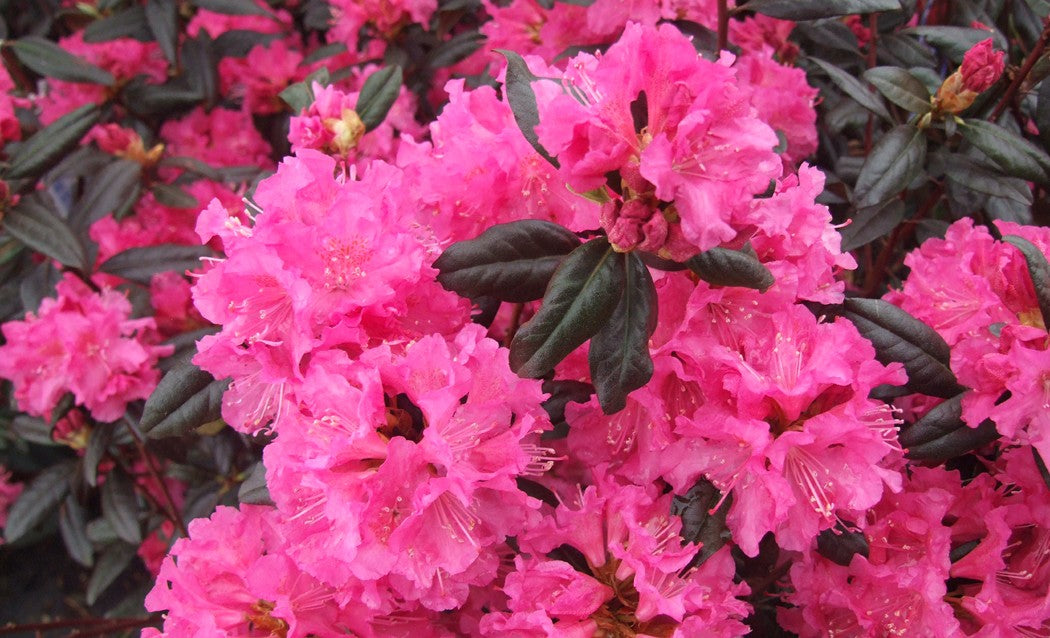
The Landmark is a compact, upright growing Rhododendron. Growing to nearly 6 feet tall and 6 feet wide, this small-leaved shrub produces stunning clusters of fuchsia colored, trumpet-shaped flowers with red spots that appear in spring. It is an evergreen that has dark green foliage, which turns bronze in fall.
Common name: Landmark Rhododendron
Height x Diameter: 6'x6'
Minimum temperature: Hardy to -20° F to -30° F.
USDA zone 4-9
Light: Full sun to part shade.
Uses: Container, border, hedge and specimen.
Deer Resistant: Rarely damaged by deer.
Water: Medium
Bloom time: Spring
Bloom color: Pink
The plant(s) that you are purchasing are grown in individual 4"x2" size containers, which are removed and your plants are shrink wrapped in plastic for shipping purposes. Plants shipped during the growing season will be approximately 1 year old and 5"-6" tall.
Plant Highlight
Plant Highlight
Height x Diameter: 4'-6' x 4'-6'.
Minimum temperature: Hardy to -20°F (-29°C)
USDA zones: 5-9.
Light: Full sun to part shade.
Uses: Container, border, hedge and specimen.
Deer Resistant: Rarely damaged by deer.
Water: Medium.
Bloom time: Spring.
Bloom color: Pink.
Pollination and Ripening
Pollination and Ripening
Rhododendrons will produce their large, showy blooms each spring without any pollination. The flowers are formed from buds that develop the previous year (prune them after they are finished flowering), so they will bloom naturally even if no pollen reaches them. If you want the plant to produce seeds, it needs pollen from another flower. Most rhododendrons are self-fertile, meaning a single plant can pollinate itself, but cross-pollination between two different plants often produces more seeds.
Shipping Restrictions
Shipping Restrictions
Cannot ship to HI.
Planting Guide
Planting Guide
Planting Guide for Rhododendrons
Site Selection:
Choose a location that offers partial shade to full shade, with well-draining soil. Avoid areas with strong winds or extreme sunlight exposure.
Time of Year to Plant:
Plant rhododendrons in the spring or fall. Avoid planting during the hottest part of the summer or during freezing temperatures in winter.
Spacing:
Space rhododendrons according to their mature size, typically 2 to 6 feet apart, depending on the variety.
Soil Type:
Rhododendrons prefer acidic soil with a pH range of 4.5 to 6.0. Ensure the soil is rich in organic matter and well-draining.
Planting:
Dig a hole twice as wide as the root ball and slightly shallower than the root ball's depth. Place the rhododendron in the hole, ensuring the top of the root ball is level with the ground. Backfill the hole with soil, lightly tamp it down, and water thoroughly.
Watering:
Keep the soil consistently moist, especially during the first growing season. Water deeply and infrequently, allowing the soil to dry out slightly between waterings.
Fertilizing:
Apply a balanced, slow-release fertilizer formulated for acid-loving plants in the spring after the last frost. Follow the manufacturer's instructions for application rates.
Care Through the Seasons:
- Spring: Monitor for signs of new growth and adjust watering and fertilizing accordingly. Remove spent flowers after blooming.
- Summer: Mulch around the base of the plant to retain moisture and suppress weeds. Water during dry spells.
- Fall: Apply a layer of mulch to protect the roots from winter cold and moisture fluctuations.
- Winter: Protect rhododendrons from extreme cold and drying winds by wrapping them with burlap or providing a windbreak.
Preparing to Plant:
Before planting, amend the soil with organic matter such as compost or peat moss to improve drainage and fertility. Test the soil pH and adjust it if necessary.
Managing Pests and Diseases:
Keep an eye out for common pests such as aphids, lace bugs, and spider mites. Treat
infestations promptly with insecticidal soap or neem oil. Watch for signs of diseases such as powdery mildew or root rot, and ensure good air circulation around the plant to prevent fungal issues.
Keeping Them Healthy:
Regularly monitor the health of your rhododendrons by inspecting leaves for signs of
discoloration, wilting, or pest damage. Provide proper care, including watering, fertilizing, and pruning, to keep the plants healthy and vigorous.
Choosing Rhododendrons:
When selecting rhododendrons for your garden, consider factors such as mature size, flower color, bloom time, and growth habit. Choose varieties that suit your climate, soil conditions, and desired aesthetic.
Chill Hours
Chill Hours
Share