-
Larger, Healthier Plants
More Value for Your Garden -
Nationwide Free Delivery
Fresh Plants to Your Doorstep -
Easy Online Shopping
Your Dream Garden in a Few Clicks


Azalea hybrid ‘Fridoline’
Azalea hybrid ‘Fridoline’
Couldn't load pickup availability
USDA Zones/Minimum Temperature
USDA Zones/Minimum Temperature
Grows well in USDA zones 5–8 and tolerates winter temperatures down to about -15°F.
- Every Order Ships Free
- Use code SAVE10% on orders over $50
- Guaranteed to Arrive Alive.
Azalea hybrid ‘Fridoline’
Azaleas bring vivid seasonal color and elegance to shaded and woodland gardens. Deciduous varieties are especially valued for their fragrance, cold tolerance, and graceful growth habits.
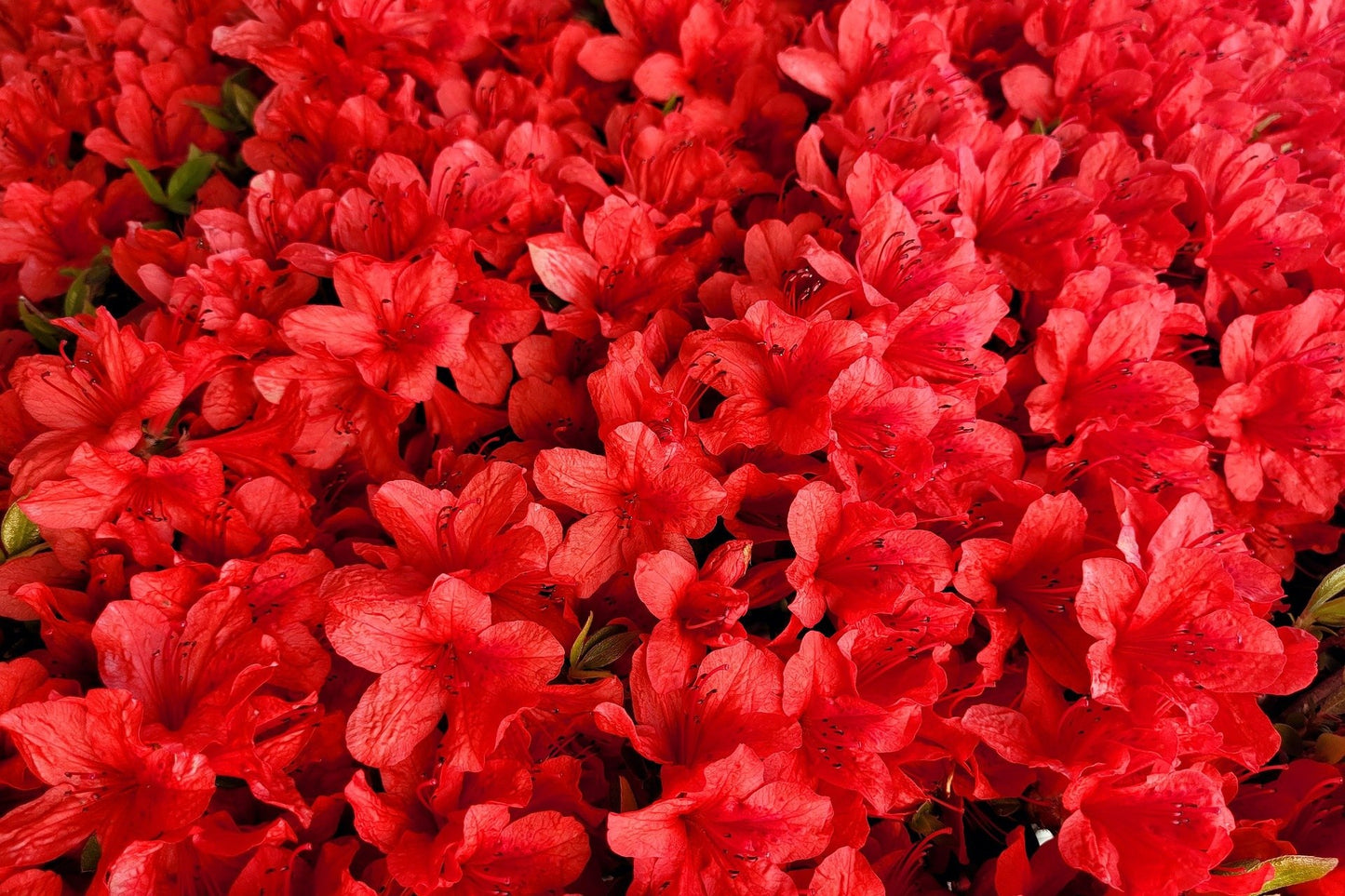
‘Fridoline’ features soft apricot to salmon-pink blooms with a light fragrance that appear in spring. Its upright habit and refined flower color make it an excellent choice for borders, naturalized areas, and woodland plantings.
Common name: Fridoline Azalea
Height x Diameter: 5'–6' x 4'–6'
Minimum temperature: Hardy to -25°F
USDA zone: 4–8
Light: Partial shade
Uses: Border, woodland garden, specimen
Deer Resistant: Occasionally damaged
Water: Semi-moist, well-drained, acidic soil
Attracts butterflies: Yes
Bloomtime: Spring
Bloomcolor: Apricot to salmon-pink
The plant(s) you are purchasing are grown in individual 2" x 4" containers, which are removed and plants are shrink wrapped in plastic for shipping purposes. Plants shipped during the growing season are approximately 1 year old and 6"–8" tall.
Plant Highlight
Plant Highlight
Minimum temperature: Hardy to -20°F
USDA zone: 4–8
Light: Partial shade
Flower: Bright red-orange blooms
Bloom time: Mid to late spring
Pollination requirements: Not required
Chill hours: Not required
Growth habit: Upright, deciduous shrub
Pollination and Ripening
Pollination and Ripening
Azaleas and rhododendrons do not require pollination for flowering and are grown strictly for their ornamental blooms. Pollinators may visit flowers, but seed production is not needed for plant health or bloom performance. These shrubs bloom in spring, with established plants producing fuller flower displays each year as they mature.
Shipping Restrictions
Shipping Restrictions
Can Not Ship To HI.
Planting Guide
Planting Guide
Planting Guide for Azaleas
1. Site Selection
Azaleas thrive in lightly shaded locations with protection from harsh afternoon sun. They prefer areas with:
• Light Requirements: Morning sun with afternoon shade or dappled sunlight throughout the day. Too much direct sun can scorch leaves and reduce bloom quality.
• Wind Protection: Sheltered locations protect shallow roots and delicate blooms from drying winds.
• Good Drainage: Azaleas dislike wet soil. Avoid low areas where water collects.
2. Spacing
• Spacing Needs:
◦ Compact varieties: 2–3 feet apart
◦ Larger varieties: 4–6 feet apart
• Proper spacing improves airflow and reduces disease risk.
3. Soil Type
Azaleas prefer:
• Acidic, Well-drained Soil: Ideal pH is 4.5–6.0.
• Organic Matter: Soils rich in pine bark, peat moss, or compost support healthy root development.
• Soil Amendments: Amend alkaline or clay soils before planting to improve acidity and drainage.
4. Planting Azaleas
- Dig the Hole: Make the hole twice as wide as the root ball and slightly shallower than its depth.
- Amend the Soil: Mix peat moss or composted pine bark into the native soil.
- Planting Depth: Set the plant slightly above ground level to prevent water from pooling at the crown.
- Water Well: Water thoroughly after planting to settle soil around roots.
5. Watering
• Consistent Moisture: Keep soil evenly moist, especially during the first year.
• Mulching: Apply 2–3 inches of mulch to retain moisture and protect shallow roots.
6. Fertilizing
• When to Fertilize: Early spring after flowering.
• Fertilizer Type: Use a fertilizer formulated for acid-loving plants.
7. Pruning
• Timing: Prune immediately after flowering to avoid removing next year’s buds.
• Purpose: Remove dead or crossing branches to maintain shape and airflow.
Chill Hours
Chill Hours
Requires approximately 800–1,000 chill hours to support consistent bud set and spring flowering.
Share