-
Larger, Healthier Plants
More Value for Your Garden -
Nationwide Free Delivery
Fresh Plants to Your Doorstep -
Easy Online Shopping
Your Dream Garden in a Few Clicks


Double Down Bigleaf Hydrangea Plant Live – Cold Hardy Compact Shrub – Double Pink Mophead Flowers – Zone 5–9 Garden Plant
Double Down Bigleaf Hydrangea Plant Live – Cold Hardy Compact Shrub – Double Pink Mophead Flowers – Zone 5–9 Garden Plant
Couldn't load pickup availability
USDA Zones/Minimum Temperature
USDA Zones/Minimum Temperature
It grows in USDA Hardiness Zones 5-9 and is hardy to temperatures as low as -10°F (-23°C).
- Every Order Ships Free
- Use code SAVE10% on orders over $50
- Guaranteed to Arrive Alive.
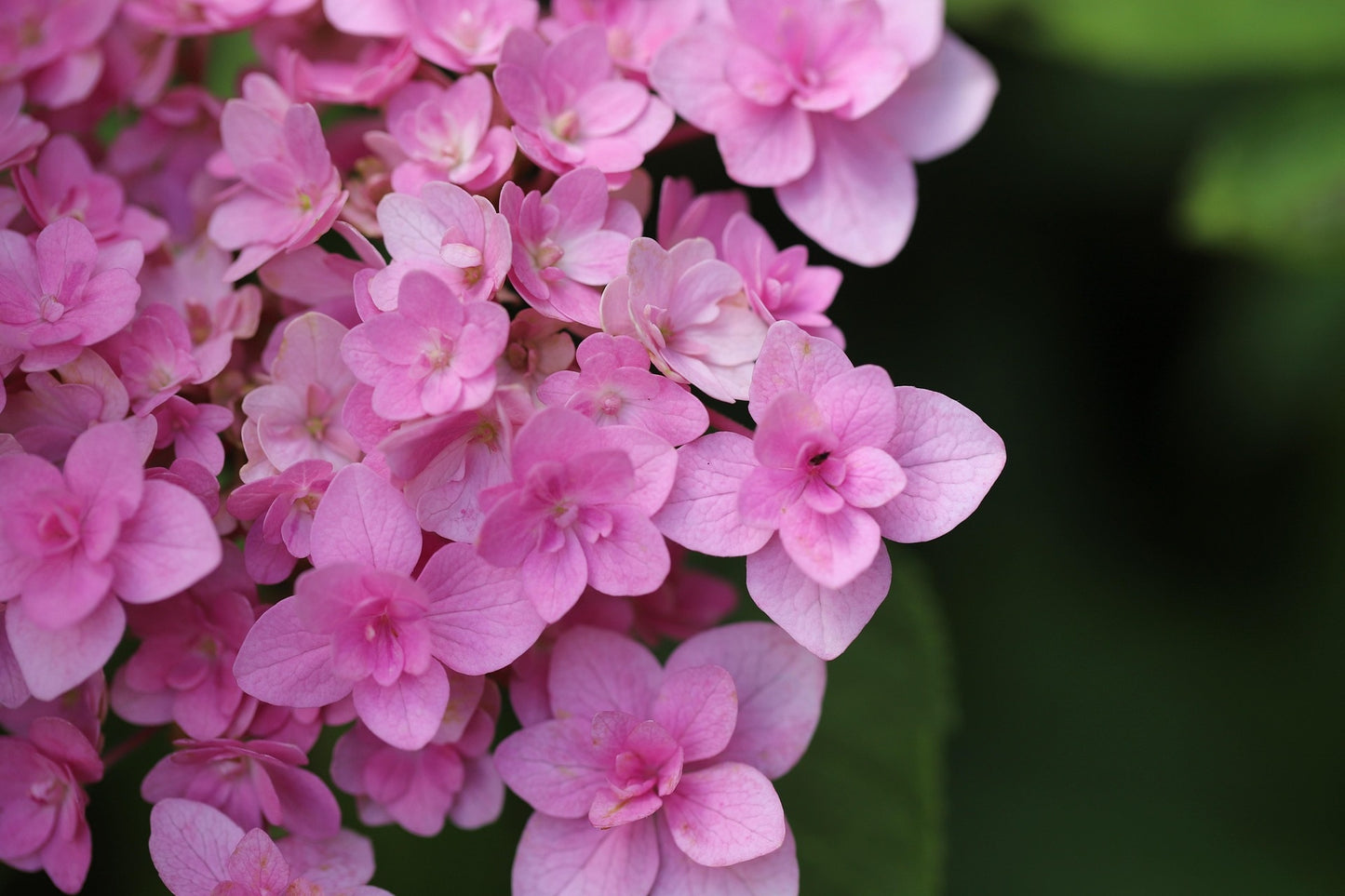
Double Down is a bigleaf hydrangea that takes the classic mophead to the next level — producing fully double, rose-like flowers that are denser, more layered, and more luxurious than a standard hydrangea bloom. Each flower head is packed with overlapping petals that create a lush, almost peony-like texture in soft pink to blue tones depending on soil pH. The result is a hydrangea that looks like it belongs in a high-end floral arrangement, growing right in your garden. Compact and tidy, Double Down fits beautifully in containers and borders where its extraordinary blooms can be admired up close.
🌱 WHAT YOU RECEIVE
• One healthy, well-rooted Double Down bigleaf hydrangea plant
• Grown in a nursery container
• Ready to plant upon arrival
❤️ WHY YOU'LL LOVE IT
• Fully double, rose-like flowers — denser and more luxurious than standard mopheads
• Peony-like layered petal texture — stunning in the garden and as cut flowers
• Soft pink to blue color depending on soil pH
• Compact, tidy form — ideal for containers and front-of-border planting
• Long summer bloom season
• Cold hardy to -10°F, USDA Zones 5–9
🌿 GROWING INFO
• Zones: 5–9
• Sun: Part shade to full sun (morning sun, afternoon shade ideal)
• Soil: Moist, well-draining, rich in organic matter
• Mature Size: 3–4 ft tall x 3–4 ft wide
• Flower color: Pink in alkaline soil, blue in acidic soil
📦 SHIPPING
• Ships within 1–2 business days
• Carefully packaged for safe delivery
• Ready to plant upon arrival
Plant Highlight
Plant Highlight
Common name: Double Down Bigleaf Hydrangea.
Height x Diameter: 3–4 ft x 3–4 ft.
Minimum temperature: Hardy to -10°F.
USDA zones: 5–9.
Light: Part shade to full sun; morning sun and afternoon shade ideal.
Uses: Container, border, cut flower garden, patio, cottage garden.
Deer Resistant: Moderately resistant.
Water: Regular; keep soil consistently moist.
Soil: Moist, well-draining, rich in organic matter.
Bloom season: Summer.
Flower color: Pink in alkaline soil; blue in acidic soil.
Flower type: Fully double mophead — rose-like, peony-textured blooms.
Pollination and Ripening
Pollination and Ripening
Hydrangeas do not require pollination to produce flowers, as blooms develop regardless of seed formation. Pollinators may visit fertile florets, but this does not affect flowering. Bloom times vary by species and cultivar, typically occurring from early summer through fall. Plants usually reach full flowering potential within two to three growing seasons.
Shipping Restrictions
Shipping Restrictions
Can not ship to HI.
Planting Guide
Planting Guide
Planting Guide for Hydrangeas
Site Selection: Choose a location with morning sun and afternoon shade for best results. Avoid harsh afternoon sun, which can scorch leaves and fade blooms. Bigleaf hydrangeas prefer protected spots in colder zones.
Time of Year to Plant: Plant in spring or early fall when temperatures are mild. Avoid planting in the heat of summer.
Spacing: Space plants 3 to 4 feet apart to allow for mature spread and good air circulation.
Planting: Dig a hole twice as wide and just as deep as the root ball. Amend with compost or peat moss for moisture retention. Backfill, firm gently, and water thoroughly.
Watering: Keep soil consistently moist, especially during the first season and in hot weather. Hydrangeas wilt quickly when dry but recover with water.
Mulching: Apply 2–3 inches of mulch around the base to retain moisture and regulate soil temperature.
Flower color tip: To encourage blue flowers, lower soil pH with sulfur or aluminum sulfate. For pink flowers, raise pH with garden lime.
Pruning: Prune lightly right after blooming ends. Bigleaf hydrangeas bloom on old wood — avoid heavy pruning in fall or spring, which removes next year’s flower buds.
Chill Hours
Chill Hours
Requires moderate winter chill.
Share