-
Larger, Healthier Plants
More Value for Your Garden -
Nationwide Free Delivery
Fresh Plants to Your Doorstep -
Easy Online Shopping
Your Dream Garden in a Few Clicks


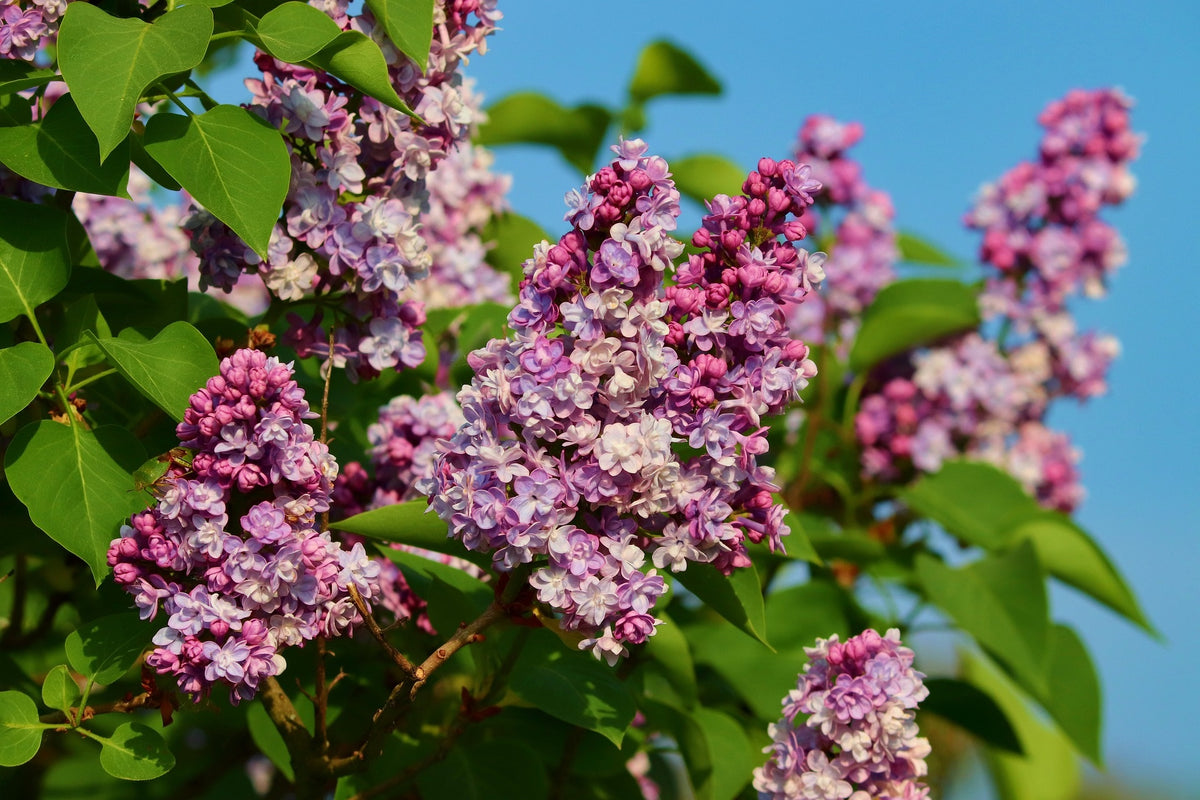
Adelaide Dunbar French Lilac – Cold Hardy Deep Purple Shrub – Fragrant – Zone 3-9
Adelaide Dunbar French Lilac – Cold Hardy Deep Purple Shrub – Fragrant – Zone 3-9
Couldn't load pickup availability
USDA Zones/Minimum Temperature
USDA Zones/Minimum Temperature
It grows in USDA Hardiness Zones 3-9 and is hardy to temperatures as low as -40°F (-40°C), making it highly cold-hardy for northern climates.
- Every Order Ships Free
- Use code SAVE10% on orders over $50
- Guaranteed to Arrive Alive.
The buds of this exceptional French hybrid lilac open to rich, deep purple blooms — intensely fragrant and appearing in large, showy clusters each spring. Butterflies, bees, and florists will all love this classic, multi-trunked beauty. Cold hardy and long-lived, Adelaide Dunbar is a garden heirloom that rewards you year after year.
🌱 WHAT YOU RECEIVE
• One healthy, well-rooted Adelaide Dunbar lilac plant
• Grown in a 4x2-inch container
• Approx. 6–12 inches tall at shipping
🌸 WHY YOU'LL LOVE IT
• Intensely fragrant deep purple double blooms
• Large flower clusters — stunning as cut flowers
• Attracts butterflies, bees, and pollinators
• Extremely cold hardy to Zone 3–9
• Vigorous grower — great for hedges and borders
🌿 GROWING INFO
• Zones: 3–9
• Sun: Full sun to partial shade
• Soil: Well-draining soil
• Mature Size: 12' tall x 10' wide
📦 SHIPPING
• Ships within 1–2 business days
• Carefully packaged for safe delivery
• Ready to plant upon arrival
Plant Highlight
Plant Highlight
Common name: Adelaide Dunbar French Lilac.
Height: 8'-12'.
Minimum temperature: Hardy to -40° F.
USDA zone: 3-9.
Light: Full Sun to Partial Shade.
Uses: Specimen, hedge, border.
Deer Resistant: Rarely damaged by deer.
Bloomtime: Late Spring.
Bloomcolor: Deep purple.
Water: Medium.
Pollination and Ripening
Pollination and Ripening
Lilacs do not require pollination to produce flowers, as they are grown for ornamental blooms rather than fruit. Bees and butterflies are naturally attracted to the fragrant flowers but pollination only results in seed formation, which is not necessary for performance. Lilacs bloom in mid to late spring, with flowering typically beginning once plants are well established, usually within two to three years.
Shipping Restrictions
Shipping Restrictions
Can not ship to HI.
Planting Guide
Planting Guide
Planting Guide for Lilacs
Site Selection: Choose a site that receives full sun to partial shade, with well-draining soil. Lilacs prefer slightly alkaline soil but can tolerate a range of soil types.
Time of Year to Plant: The best time to plant lilacs is in the late fall or early spring when the soil is workable and temperatures are cooler. However, in many parts of the country you can plant year round.
Spacing: Space lilac bushes approximately 5 to 15 feet apart, depending on the variety and desired effect.
Planting: Dig a hole twice as wide and just as deep as the root ball. Backfill with soil, press gently around the roots, and water thoroughly.
Watering: Keep soil evenly moist the first year. Once established, lilacs are drought-tolerant but benefit from regular watering during dry periods.
Pruning: Prune immediately after flowering. Avoid heavy pruning — lilacs bloom on old wood.
Chill Hours
Chill Hours
Share