-
Larger, Healthier Plants
More Value for Your Garden -
Nationwide Free Delivery
Fresh Plants to Your Doorstep -
Easy Online Shopping
Your Dream Garden in a Few Clicks

Morning Light Maiden Grass
Morning Light Maiden Grass
Couldn't load pickup availability
USDA Zones/Minimum Temperature
USDA Zones/Minimum Temperature
It thrives in USDA zones 5 through 9. It is hardy down to approximately -20°F (-29°C), making it suitable for colder climates.
- Every Order Ships Free
- Use code SAVE10% on orders over $50
- Guaranteed to Arrive Alive.
Miscanthus sinensis 'Morning Light'
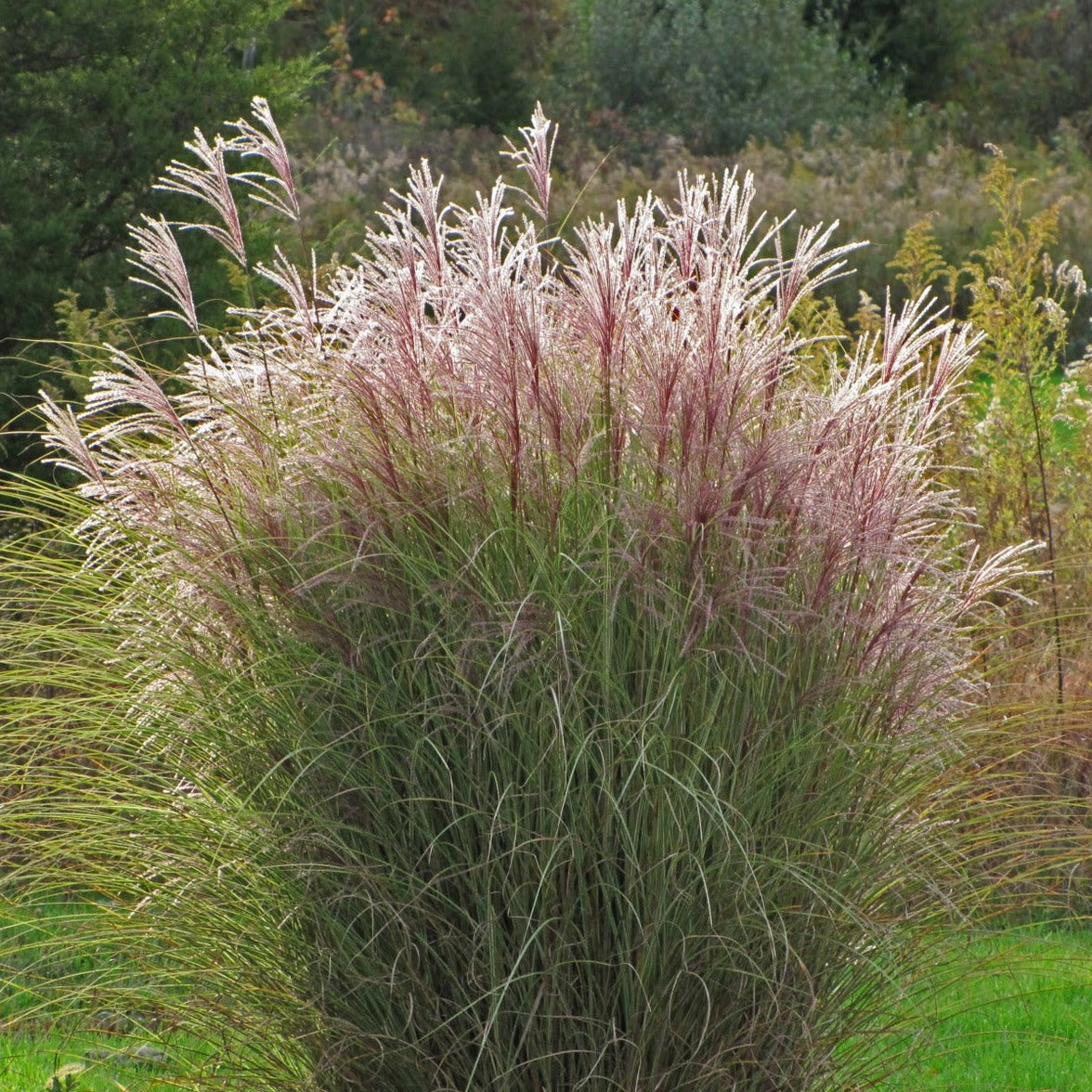
Sometimes knows as “Silver Grass” because of it shimmery silver appearance, this best seller clumping grass is sure to be a graceful and lovely addition to your garden. Its fountain-like appearance is formed from green blades surrounded by off-white margins. It is salt tolerant, attracts birds and will turn to a beautiful yellow-orange in autumn transforming into a winter beige. The Morning Light will provide color and texture to your landscape as it’s arching fronds will sway softly in the breeze adding movement to any garden. Makes an excellent specimen or feature plant in a mixed border or an attractive screen when planted in groups.
Common name: Morning Light Maiden Grass
Height: 4'-5'
Spread: 3'
Minimum temperature: Hardy to -20° F.
USDA zone 5-9
Light: Full sun to partial shade
Uses: Container, border, hedge, screen.
Deer Resistant: Rarely damaged by deer
Drought Tolerant: Moderately drought tolerant.
Bloomtime: Early to late fall.
Bloomcolor: Tan
The plant(s) that you are purchasing are grown in individual 2"x4" size containers, which are removed and your plants are shrink wrapped in plastic for shipping purposes. Plants shipped during the growing season will be approximately 1 year old and 6'-10' tall. Plants shipped during dormant season will be approximately 4"-6" tall.
Plant Highlight
Plant Highlight
Common name: Morning Light Maiden Grass
Height: 4'-5'
Spread: 3'
Minimum temperature: Hardy to -20° F.
USDA zone: 5-9
Light: Full sun to partial shade
Uses: Container, border, hedge, screen.
Deer Resistant: Rarely damaged by deer
Drought Tolerant: Moderately drought tolerant. Bloomtime: Early to late fall.
Bloomcolor: Tan
Pollination and Ripening
Pollination and Ripening
It does not need pollination for the purpose of growing, thriving, or maintaining their ornamental appeal. Pollination is only relevant if you’re intentionally breeding or collecting seed — which isn’t typical for this cultivar.
Shipping Restrictions
Shipping Restrictions
Cannot ship to HI.
Planting Guide
Planting Guide
Planting Guide for Ornamental Grass
Plant Description:
Ornamental grasses add texture, movement, and year-round interest to gardens. Available in a variety of colors, sizes, and growth habits, they can be used for ground cover, borders, privacy screens, or as focal points. Many species are drought-tolerant, low-maintenance, and provide habitat for wildlife.
Size and Height of Plant:
Ornamental grasses range in size from compact, low-growing varieties (6–12 inches) to tall, dyamatic specimens reaching 8–12 feet. The height varies based on species and growing conditions.
Site Selection:
Choose a site based on the grass variety's light and moisture needs. Most ornamental grasses prefer full sun (at least 6 hours of direct sunlight), though some species thrive in partial shade. Good air circulation helps prevent disease.
Soil:
Ornamental grasses adapt to a variety of soil types but perform best in well-draining soil. Some species thrive in sandy or rocky soils, while others tolerate clay. Adding organic matter can improve soil structure and fertility.
Pests and Diseases:
Ornamental grasses are generally resistant to pests and diseases. However, occasional issues may include fungal infections (such as rust or leaf spot) and insect pests like aphids or grasshoppers. Proper spacing, good air circulation, and avoiding overhead watering can help prevent problems.
Spacing:
Spacing depends on the species and its mature size. Small grasses should be spaced 12–18 inches apart, while larger varieties may need 2–4 feet of space to accommodate their full growth.
Planting:
1. Depending on your local climate, most grasses can be planted year round. Avoid planting in extreme heat and temperatures below freezing.
2. Dig a hole twice the width of the root ball and as deep as the container.
3. Place the plant in the hole, ensuring the crown is level with the soil surface.
4. Backfill with soil and water thoroughly.
5.Apply a layer of mulch to retain moisture and suppress weeds.
Watering:
Newly planted grasses need regular watering until established, typically for the first few months. Once mature, many species are drought-tolerant and require only occasional deep watering during dry spells.
Fertilizer:
Most ornamental grasses thrive with minimal fertilization. Apply a balanced, slow-release fertilizer in early spring if needed. Avoid excessive nitrogen, as it can lead to weak, floppy growth.
Pollination:
While many ornamental grasses produce flowers, they are typically wind-pollinated and do not require pollinators. The seed heads add visual interest and provide food for birds.
Care by Season:
Spring: Cut back dead foliage before new growth emerges. Apply mulch and fertilizer if needed. Divide overcrowded clumps.
Summer: Water during dry periods, especially for younger plants. Monitor for pests or diseases.
Fall: Allow grasses to go dormant. Many species develop attractive fall colors.
Winter: Leave foliage standing for winter interest and wildlife shelter. Cut back in late winter or early spring before new growth starts.
USDA Zone:
The hardiness of ornamental grasses varies by species. Many are suited for USDA Zones 3–10, with some cold-hardy varieties tolerating extreme winters and others thriving in warmer climates.
By following these guidelines, ornamental grasses can enhance landscapes with their low-maintenance beauty and seasonal appeal.
Chill Hours
Chill Hours
Does not require chill hours.
Share