-
Larger, Healthier Plants
More Value for Your Garden -
Nationwide Free Delivery
Fresh Plants to Your Doorstep -
Easy Online Shopping
Your Dream Garden in a Few Clicks


Queen of the Seas Hosta
Queen of the Seas Hosta
Couldn't load pickup availability
USDA Zones/Minimum Temperature
USDA Zones/Minimum Temperature
Hardy hosta for USDA Zones 3–8.
- Every Order Ships Free
- Use code SAVE10% on orders over $50
- Guaranteed to Arrive Alive.
Hosta hybrid 'Queen of the Seas'
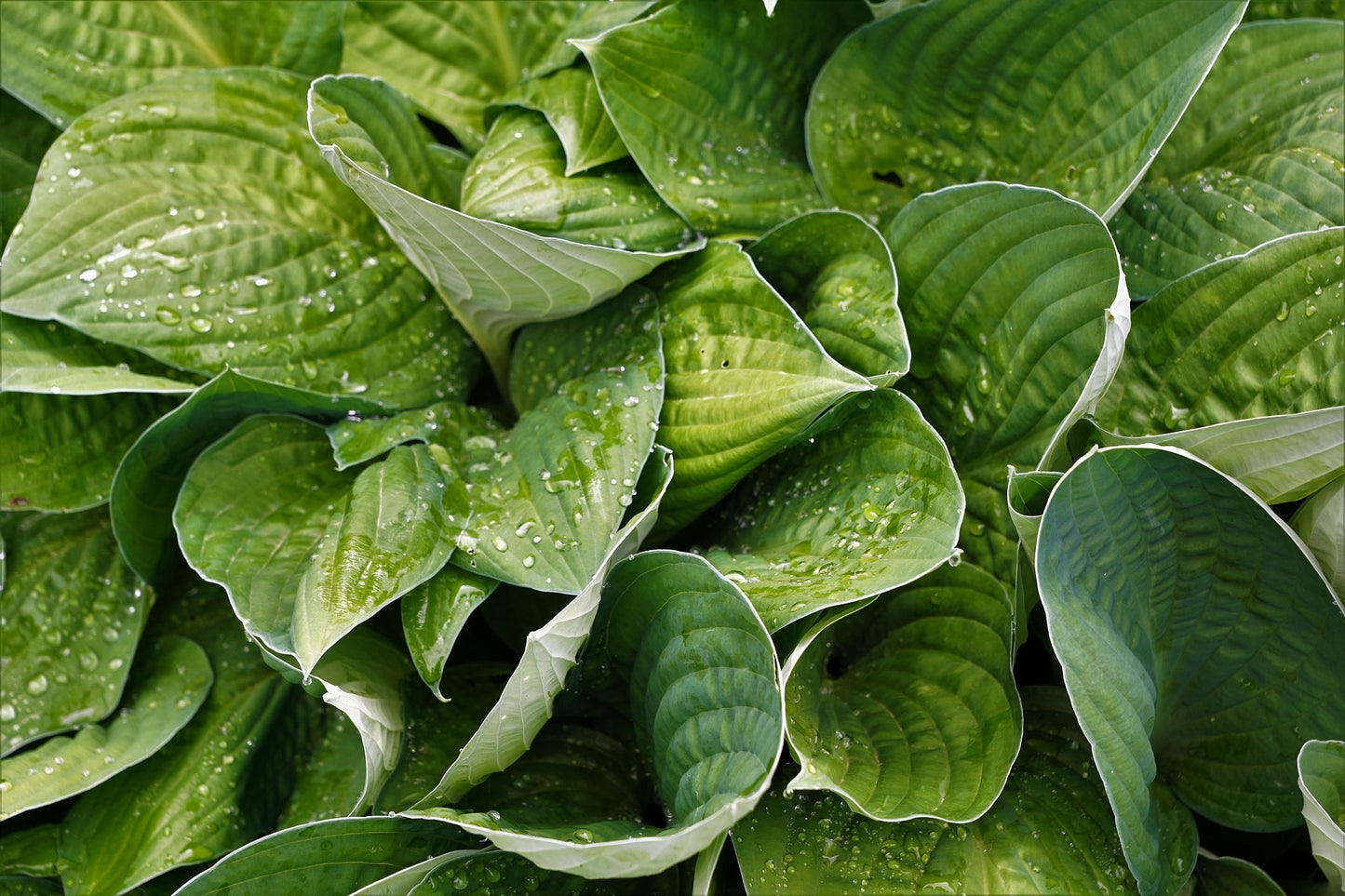
Plants form sturdy mounds of foliage, topped with lily-like blooms., This large selection is a head turner in the shady garden with its tall, upright form and blue-green, heart-shaped, wavy-edged leaves., Large, white flowers make in mid summer.
Common name: Queen of the Seas Hosta
Height x Diameter: 2'x4'
Minimum temperature: Hardy to -30 to -40° F.
USDA zone 3-11
Light: Part sun to full shade.
Uses: Container, border.
Deer Resistant: Rarely damaged by deer.
Water: Moist well drained
Bloomtime: Summer
Bloomcolor: White
The last photo is an example of a #1 Queen of the Seas Hosta, however, it is not the exact plant that you will receive. It is grown in a #1, 1 gallon, size pot which is removed and your plant is shrink wrapped in plastic for shipping purposes.
Plant Highlight
Plant Highlight
Minimum temperature: Hardy to -40°F
USDA zone: 3–9
Light: Partial to full shade
Foliage: Thick blue-green leaves with ruffled edges
Bloom time: Summer
Pollination requirements: Not required
Growth habit: Mounding
Pollination and Ripening
Pollination and Ripening
Hostas are grown for their foliage and do not require pollination for ornamental performance. Some varieties produce summer flowers that attract pollinators, but seed production is not necessary. Hostas establish quickly and reach mature size within two to three years, with foliage improving in size and color each season.
Shipping Restrictions
Shipping Restrictions
Can not ship to HI.
Planting Guide
Planting Guide
Planting Guide for Hostas
1. Site Selection
Hostas are shade-loving perennials prized for their foliage. They grow best in:
• Light Requirements: Partial to full shade. Morning sun is beneficial; avoid hot afternoon sun.
• Shelter: Protected sites reduce leaf damage from wind.
• Moisture: Hostas prefer evenly moist environments.
2. Spacing
• Spacing Needs:
◦ Small varieties: 18–24 inches apart
◦ Large varieties: 30–48 inches apart
• Adequate spacing allows mature foliage to fully develop.
3. Soil Type
Hostas prefer:
• Rich, Well-drained Soil: Loamy soil with organic matter is ideal.
• Soil Amendments: Compost improves moisture retention and fertility.
4. Planting Hostas
- Dig the Hole: Wide enough to spread roots comfortably.
- Planting Depth: Crown should be level with the soil surface.
- Backfill Gently: Firm soil lightly around roots.
- Water Thoroughly: Water deeply after planting.
5. Watering
• Consistent Moisture: Hostas need regular watering, especially during warm weather.
• Mulching: Mulch helps conserve moisture and regulate soil temperature.
6. Fertilizing
• When to Fertilize: Early spring as growth emerges.
• Fertilizer Type: Balanced, slow-release fertilizer.
7. Maintenance
• Deadheading: Remove spent flower stalks to maintain appearance.
• Fall Care: Allow foliage to die back naturally before removal.
Chill Hours
Chill Hours
Does not require chill hours.
Share