-
Larger, Healthier Plants
More Value for Your Garden -
Nationwide Free Delivery
Fresh Plants to Your Doorstep -
Easy Online Shopping
Your Dream Garden in a Few Clicks


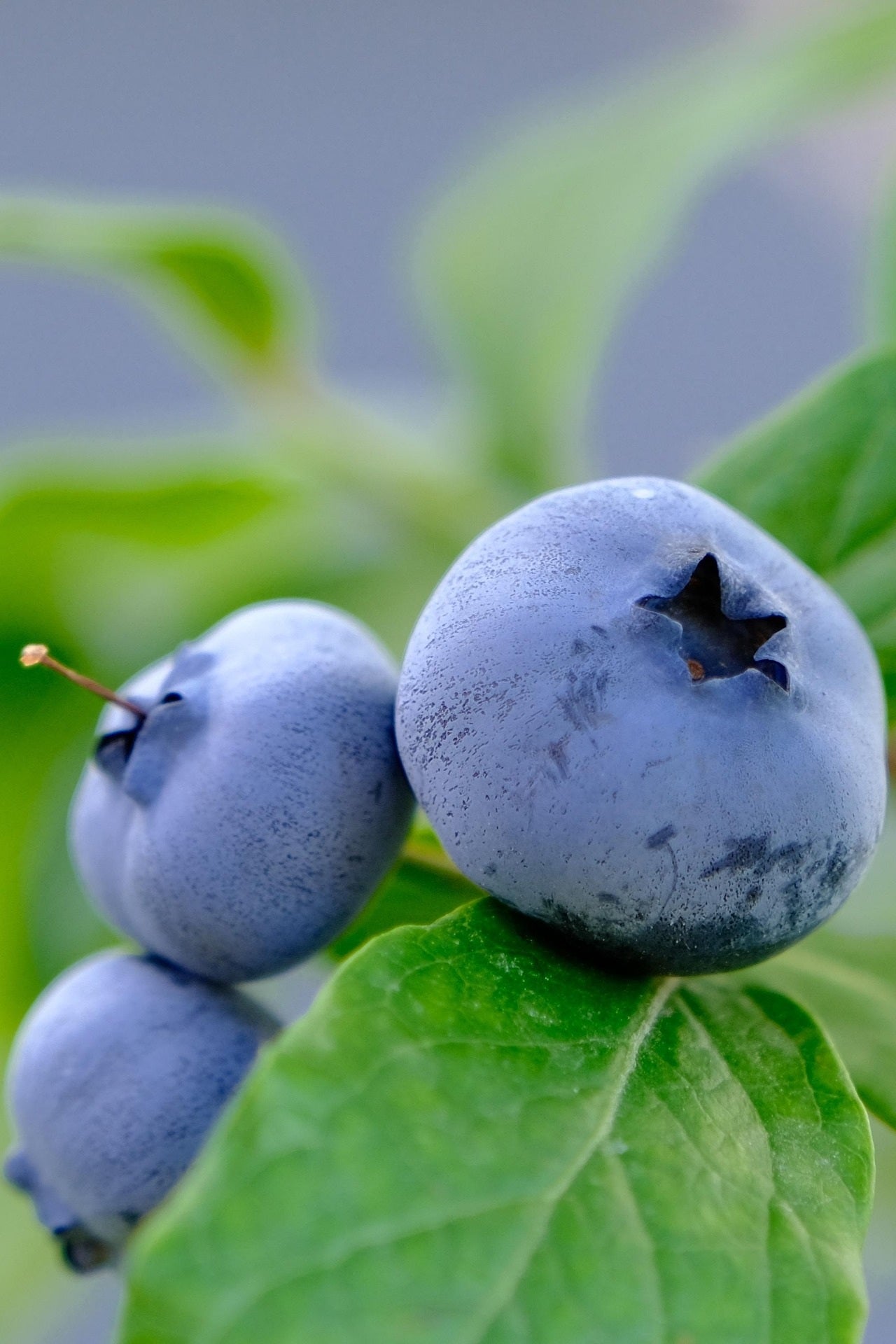
Jersey Blueberry
Jersey Blueberry
Couldn't load pickup availability
USDA Zones/Minimum Temperature
USDA Zones/Minimum Temperature
It grows in USDA Hardiness Zones 4-7 and is hardy to temperatures as low as -20°F (-29°C).
- Every Order Ships Free
- Use code SAVE10% on orders over $50
- Guaranteed to Arrive Alive.
Jersey is a time-tested classic — one of the oldest and most beloved northern highbush blueberries, bred in New Jersey in the 1920s and still going strong a century later. It produces generous crops of medium-sized, mild-sweet berries with a delicate flavor that's perfect for fresh eating, baking, and freezing. Jersey is exceptionally adaptable, thriving in a wide range of soil conditions and climates, and its vigorous upright growth makes it a reliable backbone plant for any edible garden or blueberry patch.
🌱 WHAT YOU RECEIVE
• One healthy, well-rooted Jersey blueberry plant
• Grown in a 4x2-inch container
• Approx. 6–12 inches tall at shipping
❤️ WHY YOU'LL LOVE IT
• A century-old proven performer — trusted by generations of gardeners
• Mild, delicate sweet flavor — excellent fresh, frozen, or baked
• Late-season producer — extends your harvest into August
• Exceptionally adaptable to a wide range of soils
• Vigorous, upright form — great for hedges, rows, and borders
• Cold hardy to -20°F, USDA Zones 4–7
🌿 GROWING INFO
• Zones: 4–7
• Sun: Full sun
• Soil: Acidic, well-draining (pH 4.5–5.5)
• Mature Size: 5–8 ft tall x 4–6 ft wide
📦 SHIPPING
• Ships within 1–2 business days
• Carefully packaged for safe delivery
• Ready to plant upon arrival
Plant Highlight
Plant Highlight
Common name: Jersey Blueberry.
Height x Diameter: 5–8 ft x 4–6 ft.
Minimum temperature: Hardy to -20°F.
USDA zones: 4–7.
Light: Full sun.
Uses: Edible landscape, hedge, row planting, backyard orchard, border.
Deer Resistant: Moderately resistant.
Water: Regular; keep soil consistently moist.
Soil pH: Acidic (4.5–5.5).
Fruit season: Late season (August).
Pollination: Self-fruitful; cross-pollination increases yield.
Pollination and Ripening
Pollination and Ripening
These blueberry varieties are partially self-pollinating, but planting two or more different varieties will significantly improve fruit size and overall yield. Bees and other native pollinators play an important role in successful pollination. Ripening times vary by variety, ranging from early to mid-season, with harvest typically occurring from late spring through mid to late summer. Most plants begin producing fruit within two to three years after planting.
Shipping Restrictions
Shipping Restrictions
Cannot ship to GA., HI., MI., OR., WA.
Planting Guide
Planting Guide
Planting Guide for Blueberries
Site Selection: Choose a location with full sun (at least 6–8 hours daily) and well-draining, acidic soil with a pH of 4.5–5.5. Blueberries do not tolerate waterlogged roots.
Time of Year to Plant: Plant in early spring or fall when temperatures are cooler. In mild climates, blueberries can be planted year-round.
Spacing: Space blueberry plants 4 to 6 feet apart. Plant multiple varieties nearby for best cross-pollination and fruit production.
Planting: Dig a hole twice as wide and just as deep as the root ball. Mix in peat moss or acidic compost to lower pH if needed. Backfill, firm gently around the roots, and water thoroughly.
Watering: Keep soil consistently moist, especially during the first year and during fruit development. Blueberries have shallow roots and dry out quickly.
Mulching: Apply 2–4 inches of pine bark, wood chips, or pine needle mulch to retain moisture and maintain soil acidity.
Pruning: Prune in late winter or early spring before new growth begins. Remove dead or crossing branches and older canes to encourage productive new growth.
Chill Hours
Chill Hours
Jersey blueberries have a high chill requirement, typically around 800–1,000 chill hours. This variety performs best in regions with cold winters and consistent dormancy. When chill needs are met, plants leaf out evenly in spring and produce reliable mid-season crops.
Share