-
Larger, Healthier Plants
More Value for Your Garden -
Nationwide Free Delivery
Fresh Plants to Your Doorstep -
Easy Online Shopping
Your Dream Garden in a Few Clicks


Mini Blues Dwarf Blueberry Bush for Containers
Mini Blues Dwarf Blueberry Bush for Containers
Couldn't load pickup availability
USDA Zones/Minimum Temperature
USDA Zones/Minimum Temperature
It grows in USDA Hardiness Zones 5-7 and is hardy to temperatures as low as -10°F (-23°C).
- Every Order Ships Free
- Use code SAVE10% on orders over $50
- Guaranteed to Arrive Alive.
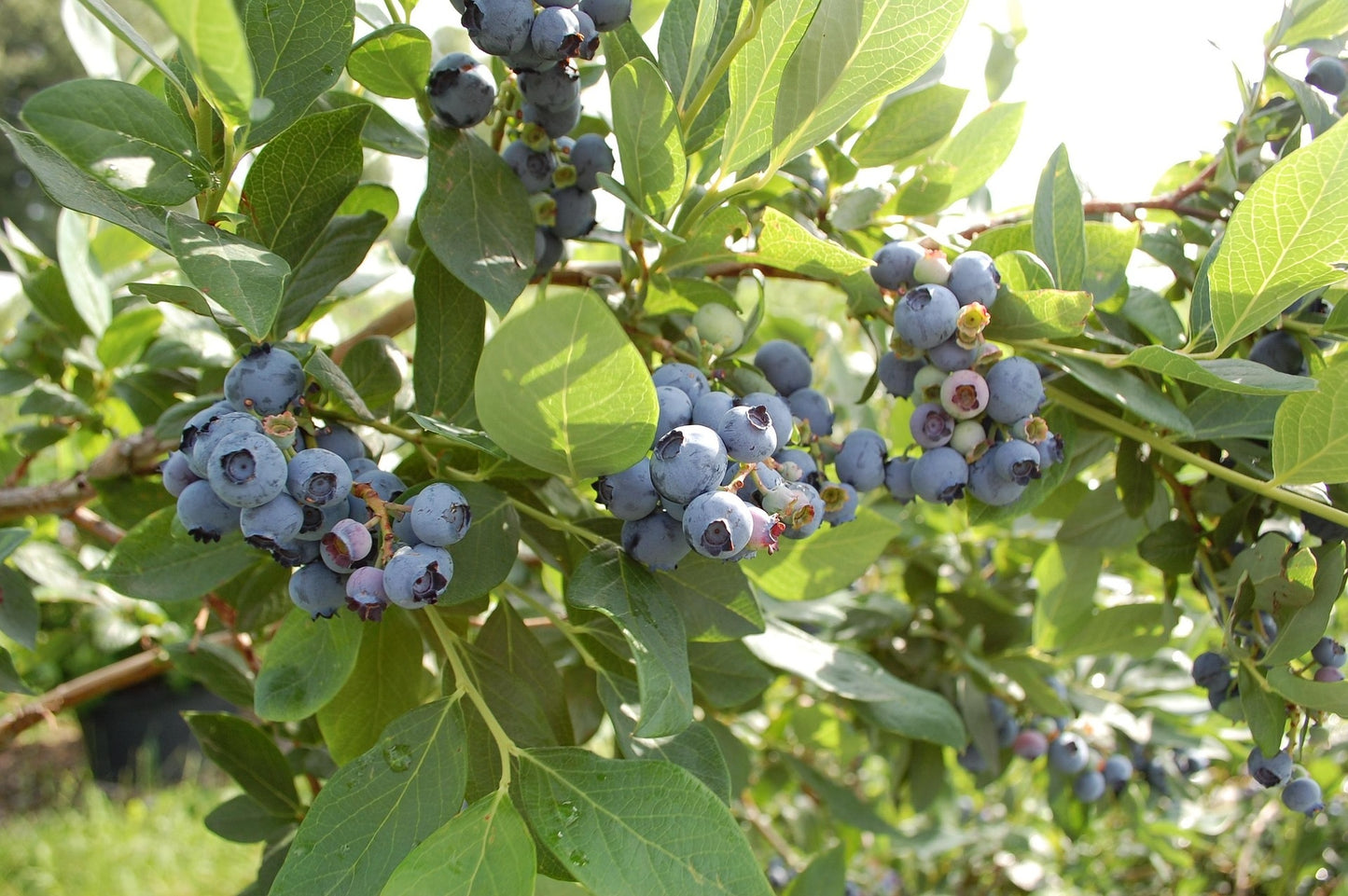
Mini Blues is the ultimate patio blueberry — a true dwarf variety specifically bred for container growing that produces a surprisingly generous crop of sweet, full-flavored berries on a plant that stays under 2 feet tall. It's perfectly at home on a balcony, porch, or patio, and its compact, mounding habit with attractive foliage and white spring flowers makes it as ornamental as it is edible. Don't let the small size fool you — Mini Blues delivers big blueberry flavor in a tiny, manageable package that anyone can grow anywhere.
🌱 WHAT YOU RECEIVE
• One healthy, well-rooted Mini Blues dwarf blueberry plant
• Grown in a 4x2-inch container
• Approx. 4–8 inches tall at shipping
❤️ WHY YOU'LL LOVE IT
• True dwarf size — stays under 2 ft, perfect for any container or small space
• Sweet, full-flavored blueberries in a tiny package
• Beautiful white spring flowers and attractive foliage
• Perfect for balconies, patios, porches, and windowsill gardens
• Self-fruitful — no pollinator needed for a good crop
• Cold hardy to -10°F, USDA Zones 5–7
🌿 GROWING INFO
• Zones: 5–7
• Sun: Full sun to partial shade
• Soil: Acidic, well-draining (pH 4.5–5.5)
• Mature Size: 12–18 in tall x 18–24 in wide
📦 SHIPPING
• Ships within 1–2 business days
• Carefully packaged for safe delivery
• Ready to plant upon arrival
Plant Highlight
Plant Highlight
Common name: Mini Blues Dwarf Blueberry.
Height x Diameter: 12–18 in x 18–24 in.
Minimum temperature: Hardy to -10°F.
USDA zones: 5–7.
Light: Full sun to partial shade.
Uses: Container, patio, balcony, windowsill garden, small space edible garden.
Deer Resistant: Moderately resistant.
Water: Regular; keep soil consistently moist.
Soil pH: Acidic (4.5–5.5).
Fruit season: Mid-season (July).
Pollination: Self-fruitful.
Pollination and Ripening
Pollination and Ripening
These blueberry varieties are partially self-pollinating, but planting two or more different varieties will significantly improve fruit size and overall yield. Bees and other native pollinators play an important role in successful pollination. Ripening times vary by variety, ranging from early to mid-season, with harvest typically occurring from late spring through mid to late summer. Most plants begin producing fruit within two to three years after planting.
Shipping Restrictions
Shipping Restrictions
Cannot ship to GA., HI., MI., OR., WA.
Planting Guide
Planting Guide
Planting Guide for Dwarf Blueberries
Container Selection: Choose a pot at least 12–18 inches wide and deep with good drainage holes. Use an acidic potting mix formulated for blueberries or mix regular potting soil with peat moss.
Site Selection: Place in a sunny spot that receives at least 6 hours of direct sun per day. Full sun produces the best fruit set and flavor.
Planting: Fill the container with acidic potting mix, plant at the same depth as the nursery pot, firm gently, and water thoroughly.
Watering: Container blueberries dry out faster than in-ground plants. Check soil moisture daily and water whenever the top inch feels dry.
Fertilizing: Use a fertilizer formulated for acid-loving plants (azalea or blueberry fertilizer) in early spring and midsummer.
Winter care: In zones 5–6, move containers to an unheated garage or sheltered location during the coldest months to protect roots.
Pruning: Minimal pruning needed. Remove dead or damaged stems in late winter.
Chill Hours
Chill Hours
Mini Blues is a low to moderate chill dwarf blueberry, needing approximately 400–600 chill hours. It is well suited for container growing and regions with mild to moderate winters.
Share