-
Larger, Healthier Plants
More Value for Your Garden -
Nationwide Free Delivery
Fresh Plants to Your Doorstep -
Easy Online Shopping
Your Dream Garden in a Few Clicks


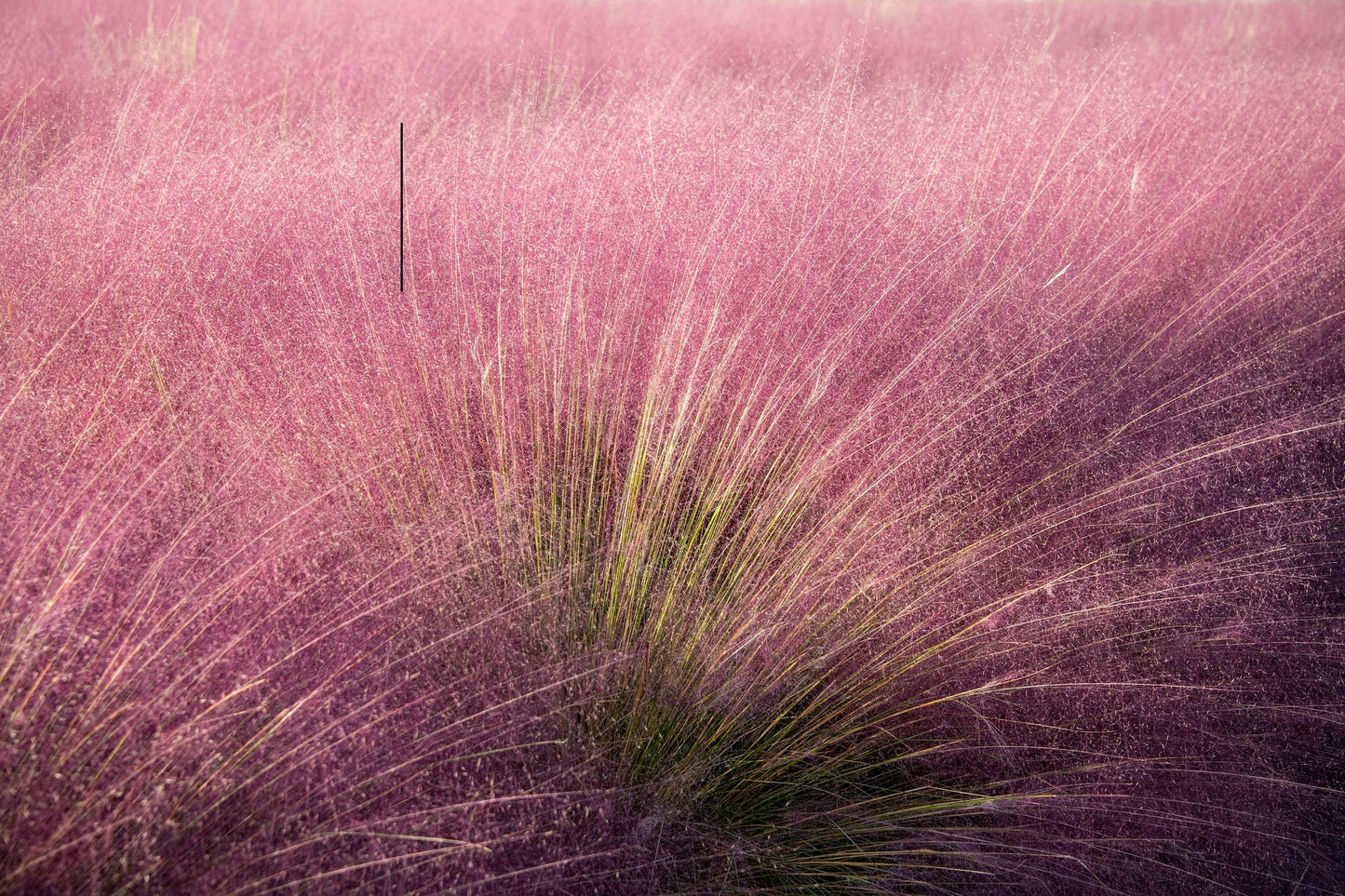
Purple Arrow Little Bluestem Grass (Schizachyrium scoparium ‘Purple Arrow’)
Purple Arrow Little Bluestem Grass (Schizachyrium scoparium ‘Purple Arrow’)
Couldn't load pickup availability
USDA Zones/Minimum Temperature
USDA Zones/Minimum Temperature
Cold hardy in USDA zones 3–9, surviving winter temperatures to -30°F. Upright, narrow clump suitable for borders and prairie gardens.
- Every Order Ships Free
- Use code SAVE10% on orders over $50
- Guaranteed to Arrive Alive.
Schizachyrium scoparium ‘Purple Arrow’
Ornamental grasses bring structure and year-round interest to garden designs.
‘Purple Arrow’ is a compact Little Bluestem variety with narrow, upright foliage that turns vibrant purple and burgundy in fall. It is ideal for smaller spaces and mixed perennial borders.
Common name: Purple Arrow Little Bluestem
Height x Diameter: 3'–4' x 1'–2'
Minimum temperature: Hardy to -30°F
USDA zone: 3–9
Light: Full sun
Uses: Border, container, mass planting
Deer Resistant: Yes
Water: Dry to medium
Attracts butterflies: Yes
Bloomtime: Late summer
Bloomcolor: Purple
The plant(s) you are purchasing are grown in individual 4"x2" containers, which are removed and plants are shrink wrapped in plastic for shipping purposes. Plants shipped during the growing season are approximately 1 year old and 6"–8" tall.
Plant Highlight
Plant Highlight
Minimum temperature: Hardy to -30°F
USDA zone: 3–9
Light: Full sun
Foliage: Upright blue-green blades turning deep purple-red in fall
Bloom time: Late summer
Pollination requirements: Wind-pollinated
Chill hours: Not required
Growth habit: Narrow, upright clump
Pollination and Ripening
Pollination and Ripening
Ornamental grasses do not require pollination for growth or ornamental value. Some may produce seed heads in late summer or fall, but these are primarily decorative. These grasses typically establish within the first growing season and reach full size within two to three years.
Shipping Restrictions
Shipping Restrictions
Can not ship to HI.
Planting Guide
Planting Guide
Planting Guide for Ornamental Grass
Plant Description:
Ornamental grasses add texture, movement, and year-round interest to gardens. Available in a variety of colors, sizes, and growth habits, they can be used for ground cover, borders, privacy screens, or as focal points. Many species are drought-tolerant, low-maintenance, and provide habitat for wildlife.
Size and Height of Plant:
Ornamental grasses range in size from compact, low-growing varieties (6–12 inches) to tall, dyamatic specimens reaching 8–12 feet. The height varies based on species and growing conditions.
Site Selection:
Choose a site based on the grass variety's light and moisture needs. Most ornamental grasses prefer full sun (at least 6 hours of direct sunlight), though some species thrive in partial shade. Good air circulation helps prevent disease.
Soil:
Ornamental grasses adapt to a variety of soil types but perform best in well-draining soil. Some species thrive in sandy or rocky soils, while others tolerate clay. Adding organic matter can improve soil structure and fertility.
Pests and Diseases:
Ornamental grasses are generally resistant to pests and diseases. However, occasional issues may include fungal infections (such as rust or leaf spot) and insect pests like aphids or grasshoppers. Proper spacing, good air circulation, and avoiding overhead watering can help prevent problems.
Spacing:
Spacing depends on the species and its mature size. Small grasses should be spaced 12–18 inches apart, while larger varieties may need 2–4 feet of space to accommodate their full growth.
Planting:
1. Depending on your local climate, most grasses can be planted year round. Avoid planting in extreme heat and temperatures below freezing.
2. Dig a hole twice the width of the root ball and as deep as the container.
3. Place the plant in the hole, ensuring the crown is level with the soil surface.
4. Backfill with soil and water thoroughly.
5.Apply a layer of mulch to retain moisture and suppress weeds.
Watering:
Newly planted grasses need regular watering until established, typically for the first few months. Once mature, many species are drought-tolerant and require only occasional deep watering during dry spells.
Fertilizer:
Most ornamental grasses thrive with minimal fertilization. Apply a balanced, slow-release fertilizer in early spring if needed. Avoid excessive nitrogen, as it can lead to weak, floppy growth.
Pollination:
While many ornamental grasses produce flowers, they are typically wind-pollinated and do not require pollinators. The seed heads add visual interest and provide food for birds.
Care by Season:
Spring: Cut back dead foliage before new growth emerges. Apply mulch and fertilizer if needed. Divide overcrowded clumps.
Summer: Water during dry periods, especially for younger plants. Monitor for pests or diseases.
Fall: Allow grasses to go dormant. Many species develop attractive fall colors.
Winter: Leave foliage standing for winter interest and wildlife shelter. Cut back in late winter or early spring before new growth starts.
USDA Zone:
The hardiness of ornamental grasses varies by species. Many are suited for USDA Zones 3–10, with some cold-hardy varieties tolerating extreme winters and others thriving in warmer climates.
By following these guidelines, ornamental grasses can enhance landscapes with their low-maintenance beauty and seasonal appeal.
Chill Hours
Chill Hours
Chill hours are not required.
Share