-
Larger, Healthier Plants
More Value for Your Garden -
Nationwide Free Delivery
Fresh Plants to Your Doorstep -
Easy Online Shopping
Your Dream Garden in a Few Clicks


Queen of Hearts Oakleaf Hydrangea Plant Live – Cold Hardy Native Shrub – White Cone Flowers – Zone 5–9 Garden Plant
Queen of Hearts Oakleaf Hydrangea Plant Live – Cold Hardy Native Shrub – White Cone Flowers – Zone 5–9 Garden Plant
Couldn't load pickup availability
USDA Zones/Minimum Temperature
USDA Zones/Minimum Temperature
It grows in USDA Hardiness Zones 5-9 and is hardy to temperatures as low as -10°F (-23°C).
- Every Order Ships Free
- Use code SAVE10% on orders over $50
- Guaranteed to Arrive Alive.
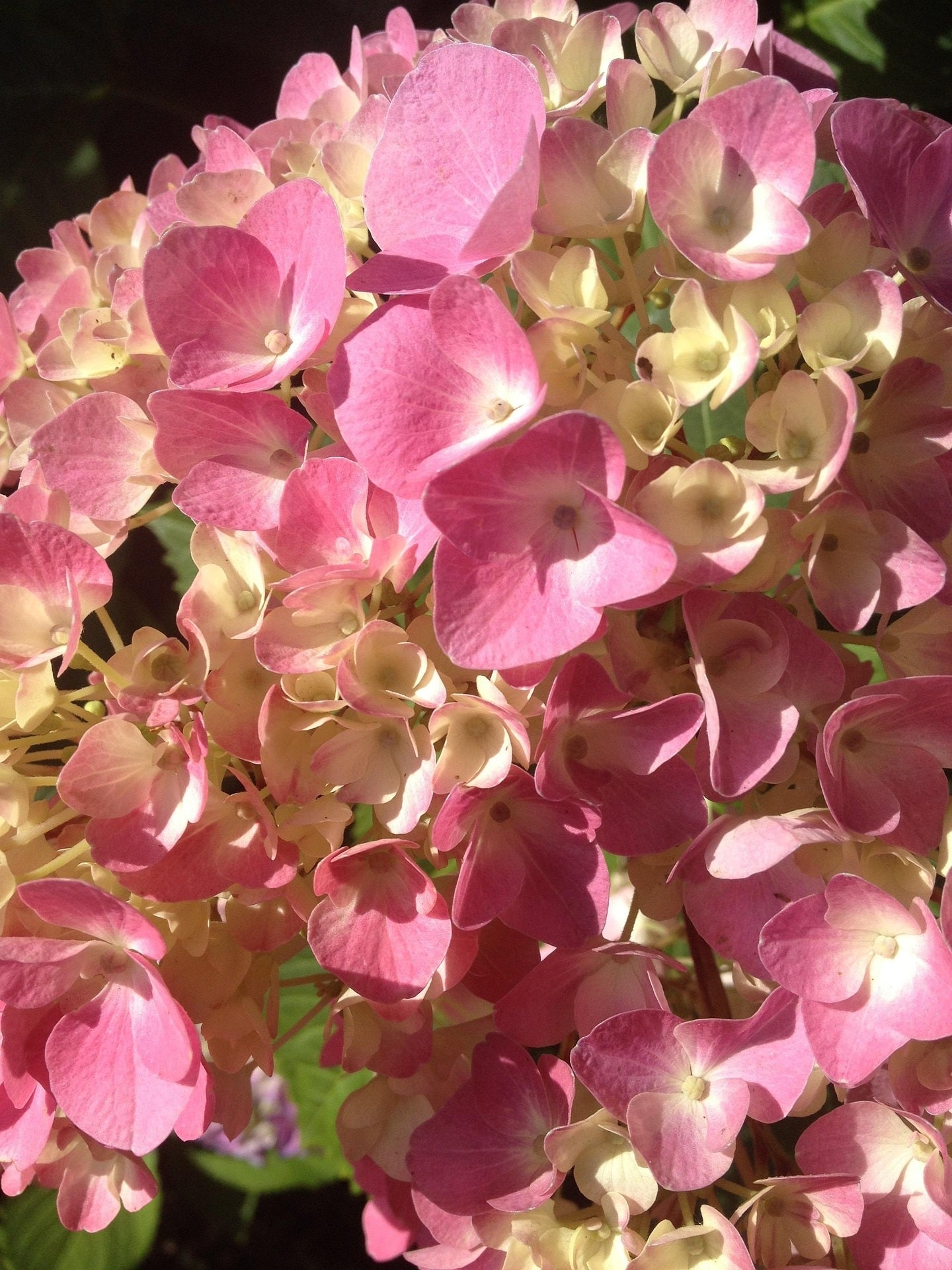
Queen of Hearts is a compact oakleaf hydrangea (Hydrangea quercifolia) that delivers four full seasons of beauty in one remarkable plant. In summer, it produces elegant, elongated white cone-shaped flower clusters that gradually blush pink and deepen to parchment as they age through fall. The large, deeply lobed oak-like leaves turn stunning shades of burgundy and scarlet in autumn, the exfoliating cinnamon-brown bark provides striking winter interest, and the whole plant starts fresh again in spring. Native to the American Southeast, oakleaf hydrangeas are also more drought tolerant and shade adaptable than most hydrangeas, making Queen of Hearts one of the most versatile and rewarding shrubs you can plant.
🌱 WHAT YOU RECEIVE
• One healthy, well-rooted Queen of Hearts oakleaf hydrangea plant
• Grown in a nursery container
• Ready to plant upon arrival
❤️ WHY YOU'LL LOVE IT
• Four seasons of interest — flowers, fall color, exfoliating bark, and spring emergence
• White cone blooms that age gracefully to pink and parchment through fall
• Spectacular burgundy-scarlet fall foliage
• Cinnamon exfoliating bark for winter garden structure
• Native to the American Southeast — naturally adapted and wildlife friendly
• More drought tolerant and shade adaptable than bigleaf hydrangeas
• Cold hardy to -10°F, USDA Zones 5–9
🌿 GROWING INFO
• Zones: 5–9
• Sun: Full sun to part shade
• Soil: Moist, well-draining; more drought tolerant once established
• Mature Size: 3–4 ft tall x 3–4 ft wide (compact selection)
📦 SHIPPING
• Ships within 1–2 business days
• Carefully packaged for safe delivery
• Ready to plant upon arrival
Plant Highlight
Plant Highlight
Common name: Queen of Hearts Oakleaf Hydrangea.
Height x Diameter: 3–4 ft x 3–4 ft.
Minimum temperature: Hardy to -10°F.
USDA zones: 5–9.
Light: Full sun to part shade.
Uses: Border, woodland garden, native garden, specimen plant, foundation planting.
Deer Resistant: Yes — more deer resistant than bigleaf hydrangeas.
Water: Regular until established; more drought tolerant once established.
Soil: Moist, well-draining; adaptable.
Bloom season: Summer; flowers age to pink and parchment through fall.
Flower type: Elongated white cone (panicle-like).
Hydrangea type: Oakleaf (Hydrangea quercifolia) — native to the American Southeast.
Fall interest: Burgundy-scarlet foliage and cinnamon exfoliating bark.
Pollination and Ripening
Pollination and Ripening
Hydrangeas do not require pollination to produce flowers, as blooms develop regardless of seed formation. Pollinators may visit fertile florets, but this does not affect flowering. Bloom times vary by species and cultivar, typically occurring from early summer through fall. Plants usually reach full flowering potential within two to three growing seasons.
Shipping Restrictions
Shipping Restrictions
Can not ship to HI.
Planting Guide
Planting Guide
Planting Guide for Oakleaf Hydrangeas
Site Selection: Oakleaf hydrangeas are more adaptable than bigleaf varieties. They tolerate more sun, more shade, and more drought. Choose a spot with full sun to part shade and well-draining soil. They perform beautifully at the edge of a woodland or in a mixed shrub border.
Time of Year to Plant: Plant in spring or early fall when temperatures are mild.
Spacing: Space plants 3 to 4 feet apart for this compact variety.
Planting: Dig a hole twice as wide and just as deep as the root ball. Amend with compost. Backfill, firm gently, and water thoroughly.
Watering: Keep soil consistently moist during the first season. Once established, oakleaf hydrangeas are significantly more drought tolerant than bigleaf varieties.
Mulching: Apply 2–3 inches of mulch around the base to retain moisture and regulate soil temperature.
Pruning: Oakleaf hydrangeas bloom on old wood. Prune lightly right after blooming ends — avoid fall or spring pruning which removes next year’s buds. Minimal pruning needed for this compact variety.
Chill Hours
Chill Hours
Requires winter dormancy; chill needs are naturally met.
Share