-
Larger, Healthier Plants
More Value for Your Garden -
Nationwide Free Delivery
Fresh Plants to Your Doorstep -
Easy Online Shopping
Your Dream Garden in a Few Clicks


Sensation French Lilac
Sensation French Lilac
Couldn't load pickup availability
USDA Zones/Minimum Temperature
USDA Zones/Minimum Temperature
The Sensation does well in USDA Hardiness Zones 3 to 9, or temperatures as low as -40°F (-40°C) making it an excellent choice for colder climates.
- Every Order Ships Free
- Use code SAVE10% on orders over $50
- Guaranteed to Arrive Alive.
Syringa vulgaris 'Sensation'
Lilacs are popular spring ornamentals. They are upright shrubs with purple, fragrant pyramidal blooms. They make a beautiful addition to borders, hedges and container gardens. They naturally attract bees, butterflies and birds to your garden and work well for borders, hedges and container gardens. Naturally deer resistant, they grow best with full sun and partial shade and well-drained soil and grow between 5-12 feet tall. Lilacs are great for fresh flower arrangements.
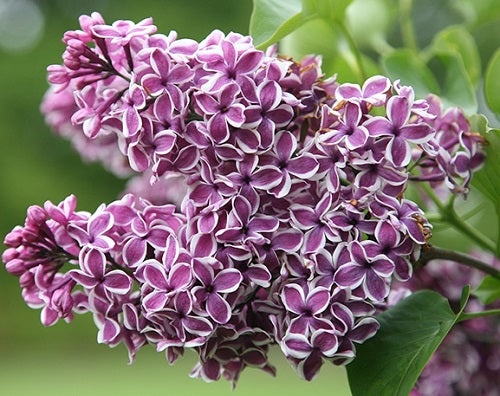
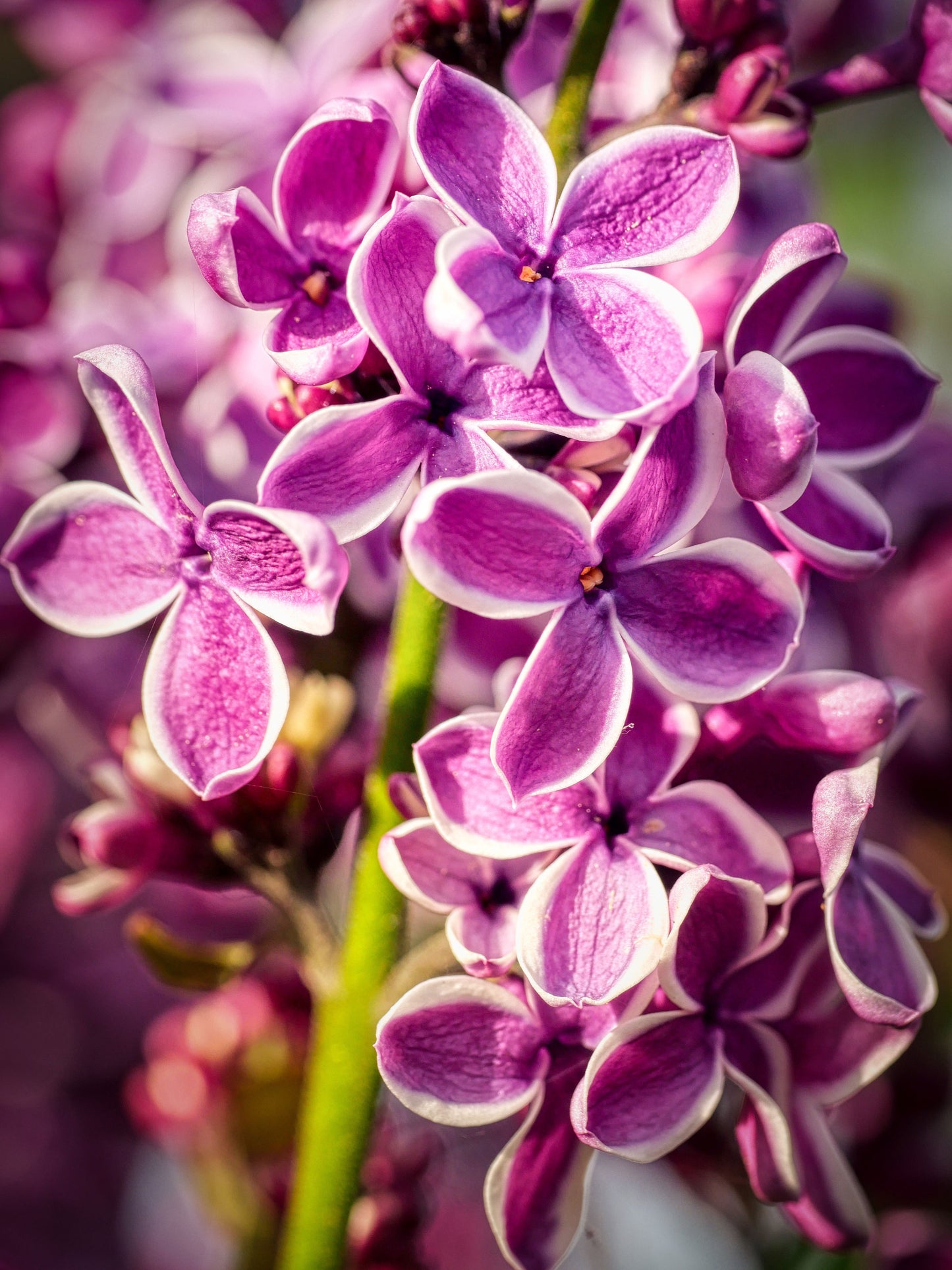
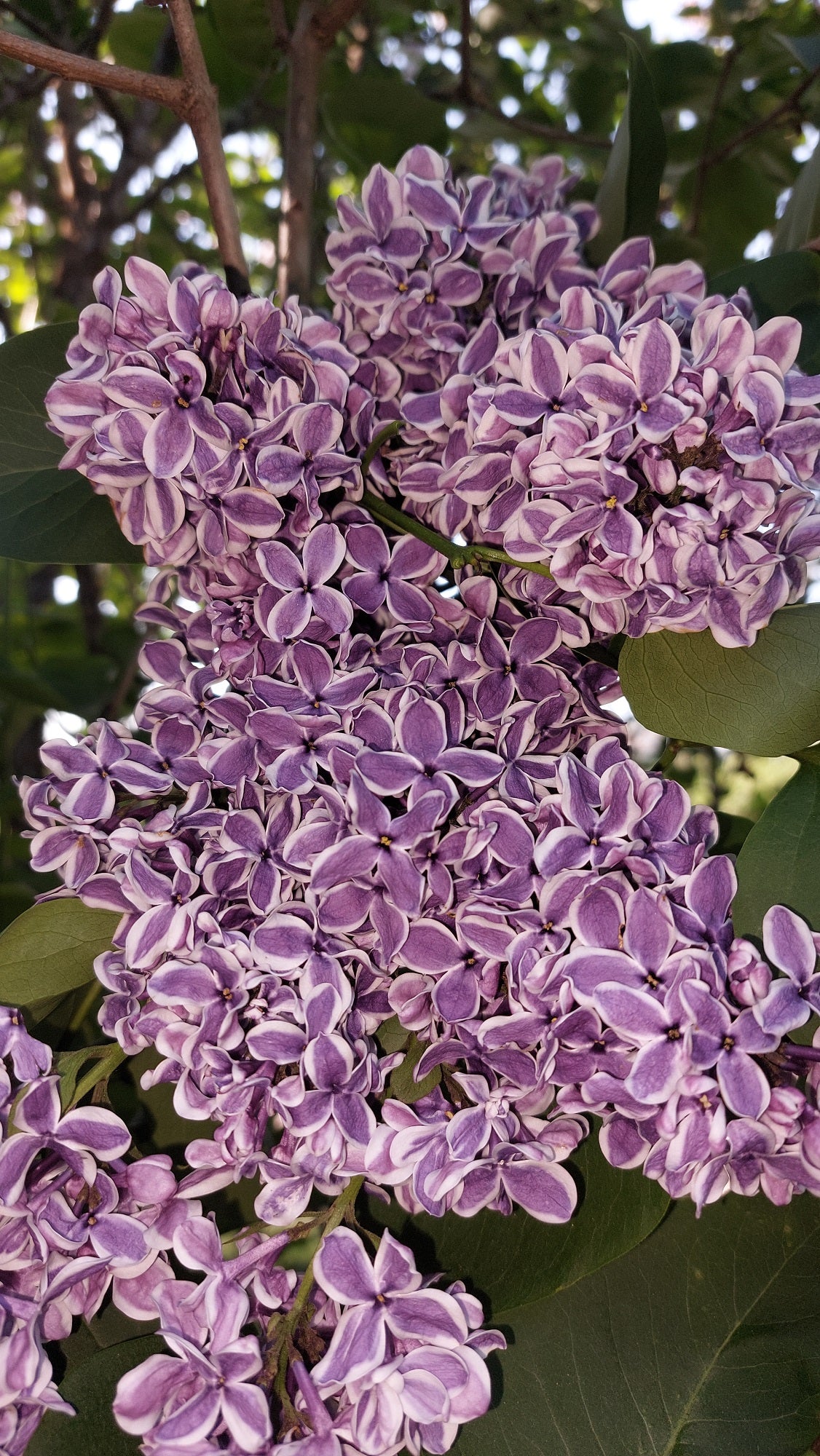
This large flowering shrub, 6-10 feet high and 8 feet wide, is known for its two-toned color pallet. The single blossoms are white on the edges with rich red-purplish clusters. The subtle scent of this lilac will fill you with nostalgia as you meander through your garden. Great for indoor bouquets, this award-winning lilac makes a wonderful deciduous shrub for privacy.
Common name: Sensation French Lilac
Height x Diameter: 6'-10'
Spread: 4'-6'
Minimum temperature: Hardy to -30 to -40° F.
USDA zone 3-8
Light: Full Sun.
Uses: Container, border, hedge, screen, specimen.
Deer Resistant: Rarely damaged by deer.
Bloomtime: Late Summer
Bloomcolor: Purple
The plant(s) that you are purchasing are grown in individual 4"x2" size containers, which are removed and your plants are shrink wrapped in plastic for shipping purposes. Plants shipped during the growing season will be approximately 1 year old and 6"-8" tall.
Plant Highlight
Plant Highlight
Common name: Sensation French Lilac.
Height x Diameter: 6'-10' by 4'-6'.
Minimum temperature: Hardy to -30 to -40° F.
USDA zones: 3-11.
Light: Full Sun.
Uses: Container, border, hedge, screen, specimen.
Deer Resistant: Rarely damaged by deer.
Bloomtime: Late Summer.
Bloomcolor: Purple.
Pollination and Ripening
Pollination and Ripening
Lilacs don’t need pollination to grow or produce their beautiful, fragrant blooms. If you want lilacs to produce viable seeds, they do need pollination — typically by bees, butterflies, or other insects attracted to their scent. Many common garden lilacs (Syringa vulgaris cultivars) are self-fertile, meaning a single plant can pollinate itself. However, cross-pollination between two different lilacs often yields more seeds and stronger offspring. That said, most gardeners don’t grow lilacs from seed, since seed-grown plants don’t come true to variety (you might not get the same bloom color or form).
Shipping Restrictions
Shipping Restrictions
Can not ship to HI.
Planting Guide
Planting Guide
Planting Guide for Lilacs
Site Selection: Choose a site for your lilacs that receives full sun to partial shade, with well-draining soil. Lilacs prefer slightly alkaline soil but can tolerate a range of soil types.
Time of Year to Plant: The best time to plant llilacs is in the late fall or early spring when the soil is workable and temperatures are cooler, however, in many parts of the country you can plant year round.
Spacing: Space lilac bushes approximately 5 to 15 feet apart, depending on the variety and desired effect.
Soil Type: Lilacs prefer well-draining soil with a pH level between 6.5 and 7.5. If your soil is too acidic, you can add lime to raise the pH level.
USDA Zones: Lilacs generally grow best in USDA Zones 3–8.
Minimum Temperatures: Lilacs are cold-hardy and can survive winter temperatures as low as -40°F (-40°C) in Zone 3. However, they require a period of winter chill (cold dormancy) to produce flowers in the spring, making them less suited for warmer climates like Zones 9 and above.
Preparing to Plant: Before planting, prepare the soil by incorporating organic matter such as compost or aged manure to improve drainage and fertility.
Planting:
1. Dig a hole twice as wide and just as deep as the lilac's root ball.
2. Place the lilac in the hole, ensuring that the top of the root ball is level with the surrounding soil.
3. Backfill the hole with soil and gently press around the roots.
4. Water thoroughly after planting to settle the soil around the root ball.
Watering: Keep the soil evenly moist, especially during the first year after planting. Once established, lilacs are drought-tolerant but will benefit from regular watering during dry periods.
Fertilizing: Apply a balanced fertilizer in early spring before new growth appears, following the manufacturer's instructions. Avoid over-fertilizing, as this can lead to excessive vegetative growth at the expense of flowers.
Pruning: Prune lilacs immediately after flowering, removing spent flower clusters and any dead or diseased wood. Thin out crowded branches to improve air circulation and overall plant health. Avoid heavy pruning, as lilacs bloom on old wood.
Acid Levels: Lilacs prefer slightly alkaline soil but can tolerate a range of pH levels.
Care Through the Seasons:
Spring: Monitor soil moisture and apply fertilizer if needed. Prune immediately after flowering.
Summer: Keep the soil evenly moist, especially during hot, dry periods. Mulch around the base of the plant to conserve moisture and suppress weeds.
Fall: Continue to water until the ground freezes. Consider applying a layer of mulch to protect the roots during the winter.
Winter: Lilacs are generally hardy, but in colder climates, you may want to protect young plants with burlap or other insulation.
Managing Pests and Diseases: Common pests include aphids, borers, and powdery mildew. Monitor plants regularly and treat infestations promptly with insecticidal soap or horticultural oil. Provide good air circulation and avoid overhead watering to prevent powdery mildew.
Keeping Lilacs Healthy: Maintain good cultural practices, including proper watering, fertilizing, and pruning. Regularly monitor plants for signs of pests or diseases and address any issues promptly.
Types of Lilacs: There are many varieties of lilacs available, including common lilac (Syringa vulgaris), dwarf Korean lilac (Syringa meyeri), and Japanese lilac (Syringa reticulata). Choose a variety that suits your climate and space requirements.
Choosing Lilacs: When selecting lilacs for your garden, consider factors such as bloom color, fragrance, mature size, and bloom time. Choose varieties that are well-suited to your climate and soil conditions.
Chill Hours
Chill Hours
Share